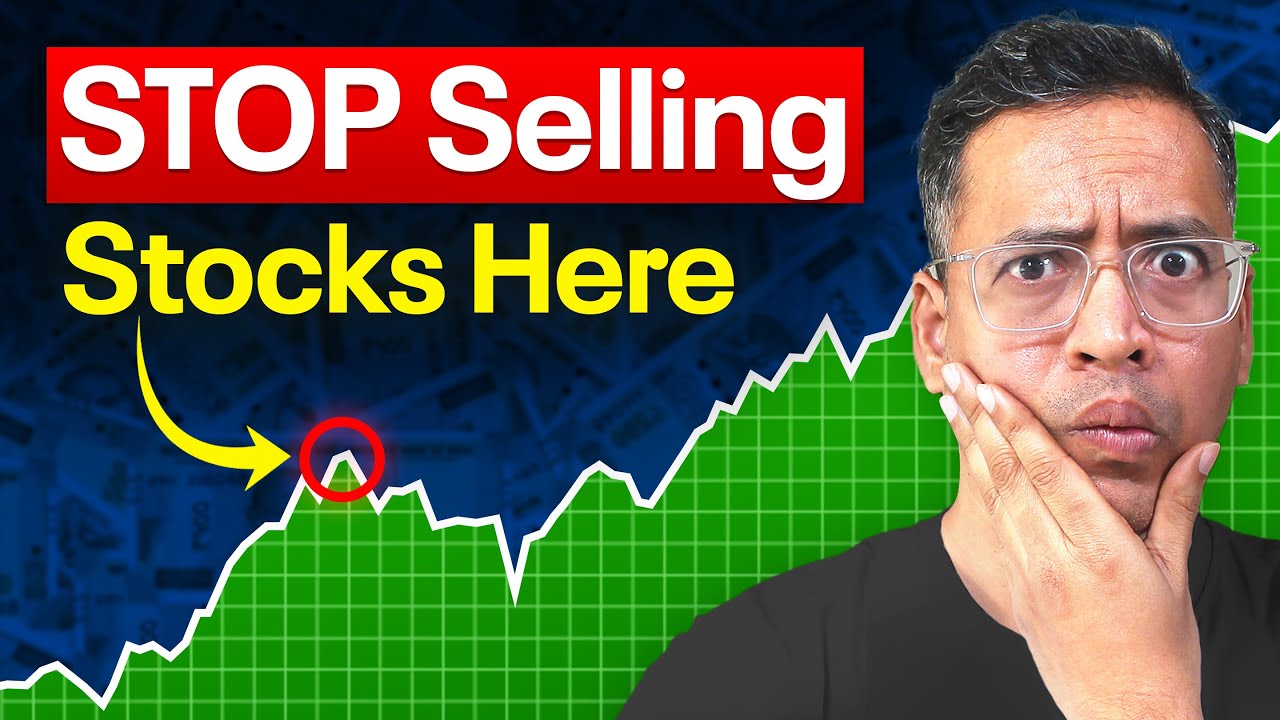
99% Sell Their LONG-TERM Stocks TOO Early – Here’s a HACK with Potential TAX Benefits: Rahul Jain
Hook: Real-Life Pain + Clean Sarcastic Humor
Picture this: You’re sitting at your desk, sipping your third cup of coffee, and scrolling through your investment portfolio as if you were swiping left on a dating app. Suddenly, you spot that stock you’ve held onto longer than your last romantic relationship, and your heart skips a beat. It’s finally in the green! Euphoria hits you like a double shot of espresso.
But wait—before you rush to hit the "sell" button, consider this: 99% of investors do just that, selling their long-term stocks way too early. Yep, just like that friend who flakes on dinner plans because they suddenly remembered a “prior engagement”—their questionable Netflix queue. The truth is, boiling your stocks down to a quick, panic-induced decision can leave you feeling poorer than a college student on ramen noodles.
What It Actually Means
So, what’s it all about? Selling your long-term stocks too early is like deciding to eat the frosting off a birthday cake, then tossing the cake in the trash. It’s sweet and tantalizing, but what about the solid layers packed with value underneath?
Selling your stocks prematurely means missing out on significant gains over time. Picture stocks as a fine wine; they need to sit and breath, not chugged down immediately. In simpler terms, when you sell too early, you could be robbing yourself of growth that could take your financial stability from ‘meh’ to ‘wow’ faster than you can say “compound interest.”
Deep Breakdown (Serious + Valuable + Easy)
Causes
- Fear of Loss: Emotional rollercoasters lead to panic sales. As logical as financial decisions should be, feelings can hijack our brains.
- Market Volatility: One bad day at the stock market can feel like a heart-breaking breakup. We often react, thinking all is lost.
- Lack of Education: Many investors lack essential knowledge, treating stock trading like a game of bingo rather than a strategic chess match.
How It Works
Long-term investing is all about patience. Historically, markets tend to rise when viewed through a broader lens. Selling too soon means forfeiting those changes. It’s really that simple—like understanding why your favorite sitcom is funnier with every rerun.
Why It Matters
Early selling can lead to lesser returns. If you had held onto Amazon stock back in the day, you wouldn’t be asking yourself if that “buy one get one half-off” sale at the coffee shop was worth it, because you’d have more than enough to splash out on that extra latte.
What People Don’t Know
Many ignore potential tax benefits associated with long-term investment. Holding stocks for more than a year can lead to lower capital gains taxes—like finding an extra slice of pizza at your favorite joint.
Hidden Sides
The psychological impact of selling too soon could have you feeling financially unstable, even if your investments aren’t tanking. It’s more like a ghost haunting you; just when you think it’s over, it shows up again—making you question every financial decision you’ve ever made.
Industry Behavior
Wall Street is like a high-stakes poker game where the bluffing does not stop. Investors are constantly vying for the best prices, but too often the house wins. This can create a herd mentality, resulting in early sales almost as common as morning coffee runs during rush hour.
Real Consequences
Name one investor who panicked and didn’t regret it afterward—even after a three-day binge-watching session. Early selling can create a never-ending cycle of anxiety. It’s exhausting!
Comparison Section (Fun but Factual)
Consider two scenarios:
-
Scenario A: You buy Apple stocks and sell within a few months, fearing a dip, walking away with a modest gain—imagine winning a participation trophy in a beauty pageant. Nice, but not the Miss America crown, is it?
- Scenario B: You hold onto that stock for years, weathering the storms, and then—you get to strut in like you own the place because you’ve doubled your investment. It’s like showing up at the gathering with a delicious cheese platter when everyone else brought chips.
How This Affects Your Money / Life / Mind
Don’t underestimate how these financial decisions can creep into your everyday life. Selling too early cultivates anxiety; every market dip feels akin to a minor heart attack. Meanwhile, a well-timed hold can mean financial security, vacations you can actually afford, and perhaps being the person who treats friends to drinks once in a while—because who doesn’t like the free party starter?
Remember that time you missed out on a friend’s big cookout because you were busy overthinking? Stocks are no different; they require the perfect amount of patience and timing.
Practical Guidance (Actionable Steps)
- Educate Yourself: Knowledge is power. Consult reputable investment platforms or take beginner courses.
- Stay Calm: When market dips occur, remember the only thing worth freaking out about is a crumbling burrito.
- Set Goals: Define what long-term means to you. A year? Five years? Write it down and stick to it!
- Consult Professionals: If needed, enlist the help of a financial advisor—because everyone deserves a second opinion, especially when it’s about their money.
TL;DR Summary (Funny + Clear)
- 99% of investors sell too soon—buy a book or two!
- Holding stocks longer can mean tax benefits and big gains.
- Fear and market volatility are like pesky flies—annoying but manageable.
- Compare early selling to winning a participation trophy—nice, but where’s the real prize?
- Have a long-term goal, or you’ll end up trying to source ramen noodles for life!
Final Thought
In the grand theater of investing, patience is the unsung hero, while panic is the villain wearing a comically oversized hat. So, before you dash to sell your long-term stocks, take a breath, like you’re enjoying the last slice of pizza. Trust that, sometimes, waiting can lead you to financial feasts far more satisfying than rushing in for a mere crumb!
