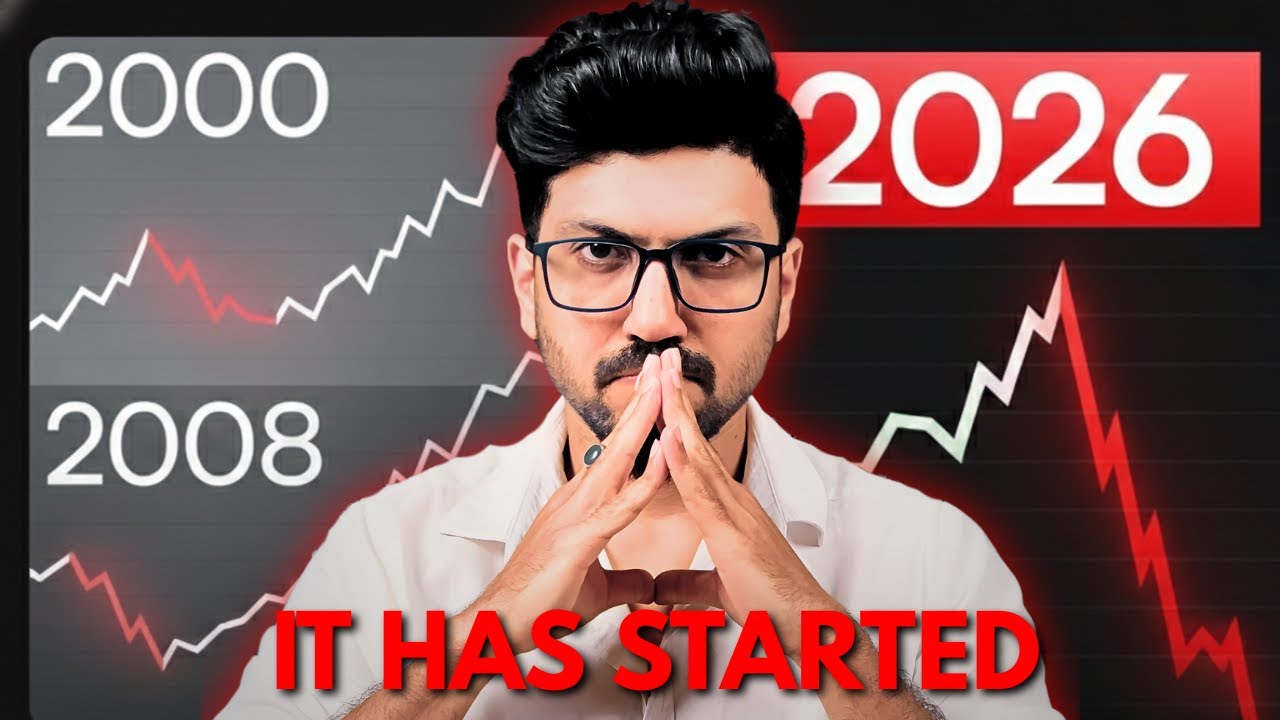
A Once in a Lifetime Crash Is Coming: 3 Warning Signs You Shouldn’t Ignore
Hook: Real-Life Pain + Clean Sarcastic Humour
Imagine you’ve just spent two hours in a coffee shop, crafting the perfect email—complete with inspirational quotes, a dash of humor, and, of course, a subject line that could win a Pulitzer Prize. You hit “send,” feeling like you’ve conquered Mount Everest. Then, BAM! You spill your coffee all over your keyboard, and that glowing sense of achievement? It’s gone faster than a sock in a dryer.
Welcome to life, where unexpected crashes are as common as misplaced keys. Well, buckle up, because financial markets are gearing up for a crash that may rival your coffee disaster on a bad day. Spoiler alert: it won’t be as easy to clean up as spilled coffee!
What It Actually Means
So, what are we even talking about with this “once in a lifetime crash” nonsense? Picture your financial life like a bubble bath, all frothy and magnificent. Now imagine someone suddenly decides to let the water drain—fast. The resulting splash isn’t pretty, and it can leave a mess that you, and your wallet, will be cleaning up for a long time.
In simple terms, a financial crash is when the value of assets (think stocks, real estate, etc.) plummets faster than you can say “market correction.” It often leads to an economic downturn that reminds everyone how crucial it is to keep a clean wallet! These crashes can be triggered by various factors and have consequences that ripple out to affect everyday life—yes, even that solo trip you planned to Bali!
Deep Breakdown (Serious + Valuable + Easy)
Causes:
Consider it a combination of factors that create a perfect storm. Economic bubbles, interest rate hikes, or a sudden plummet in consumer confidence—just imagine someone deflating your favorite party balloon right before the big reveal.
How It Works:
Think of the stock market as a rollercoaster: exhilarating, terrifying, and over just too darn quickly. When concerns rise, people sell, and prices fall. It’s like everyone suddenly deciding they hate rollercoasters, and before you know it, the ride shuts down.
Why It Matters:
A financial crash messes with your favorite activities: vacations, dinners out, or even that overpriced avocado toast you’ve grown to love. It’s not just numbers; it directly impacts lives, jobs, and futures. You could be staring down the barrel of layoffs, reduced spending, or that dreaded rush to sell your prized collectibles on eBay.
What People Don’t Know:
Believe it or not, not all crashes are bad. Some of the best companies started after a major market dip. Think of it as the universe’s way of clearing out the clutter and giving ripe opportunities a chance to shine. Just like cleaning your closet often reveals a hidden gem—you know, that sweater you couldn’t remember owning!
Hidden Sides:
Behind every market crash is an army of analysts, economists, and financial mavens backpedaling like their life depends on it. They might not have crystal balls, but their predictions can sound suspiciously close when it comes to spotting trends.
Industry Behaviour:
Ever notice how some industries behave like that teen at a party who is either too cool for your antics or the one who dramatically overreacts to everything? It’s the same with stocks; sectors react differently to economic events. Technology stocks tend to suffer more during downturns while others may remain stable—like that one friend who insists on just sipping soda while everyone else is guzzling tequila.
Real Consequences:
Whether you’re young, old, or still pretending to be a responsible adult, these crashes can lead to real-life consequences like losing savings, delaying retirement, or more dramatically, questioning life choices like investing in an inflatable pool for summer fun.
Comparison Section (Fun but Factual)
Let’s compare a market crash to getting hit by a pie in the face (cue the slapstick laughter).
- When the crash begins, it feels surprising—like that unexpected pie that comes out of nowhere.
- The aftermath? Frustration and mess all-around, similar to cleaning frosting from your hair while sipping your morning coffee—which is not going to happen, trust me.
- The recovery? Just as you can’t really “un-pie” someone, bouncing back from a market crash requires clever maneuvering and resilience—hardly an Instagrammable moment!
How This Affects Your Money / Life / Mind
Now let’s get real. Remember that feeling in your stomach when you’re about to give a presentation in front of a crowd? Well, that’s what it can feel like when the market begins to tank. Your hard-earned savings are on the line, and before you know it, you might be second-guessing every purchase or investment. What’s worse? That adorable coffee shop you’ve been visiting is now pushing $10 lattes because, why not? Everything goes up in crises—including your anxiety levels.
Real-life impact can mean scaling back major life choices, like those couple of extra Netflix subscriptions you didn’t really need (who are we kidding, you can’t give up your true-crime series!). It’s about prioritizing what really matters, like rent, groceries, and perhaps a once-in-a-lifetime motivational speaker on your next Zoom call.
Practical Guidance (Actionable Steps)
Okay, enough drama. What should you do about it? Here are some simple, actionable steps you can follow:
-
Diversify: Don’t put all your eggs in one basket. Invest in various sectors to soften the blow. Think of it as having multiple backup plans for when your weekend trip gets canceled.
-
Emergency Fund: Start saving! Aim for 3-6 months’ worth of expenses. It’s like having a safety net when performing trapeze acts—all the fun without risking a hard fall.
-
Educate Yourself: Read up on financial literacy. Knowledge isn’t just power; it’s possibly a ticket to New York after a crash.
-
Be Mindful: Avoid impulsive decisions during market dips. Remember, patience is a virtue, scrolling through Twitter at 2 a.m. isn’t.
- Seek Help: Don’t hesitate to consult professionals. Sometimes a guide in financial labyrinths can save you from losing the map.
TL;DR Summary (Funny + Clear)
- A financial crash is like a surprise coffee spill, messy and inconvenient.
- It can happen due to many factors, like the dramatic scenes in a soap opera.
- Not all crashes are bad—think of them as opportunities to clean out your closet.
- Every pie in the face (aka crash) needs wisdom and resilience to recover.
- Prepare! Diversify, save, and educate yourself—your future self will thank you!
Final Thought
So, as we await the inevitable crash, just remember: it might feel like you got hit by a pie, but hey, every great story has a twist! Laugh through the chaos, reflect on what matters, and maybe invest in that vintage pie plate. Life, after all, is what you make of it—even when it feels like things are falling apart. Stay resilient, friends!
