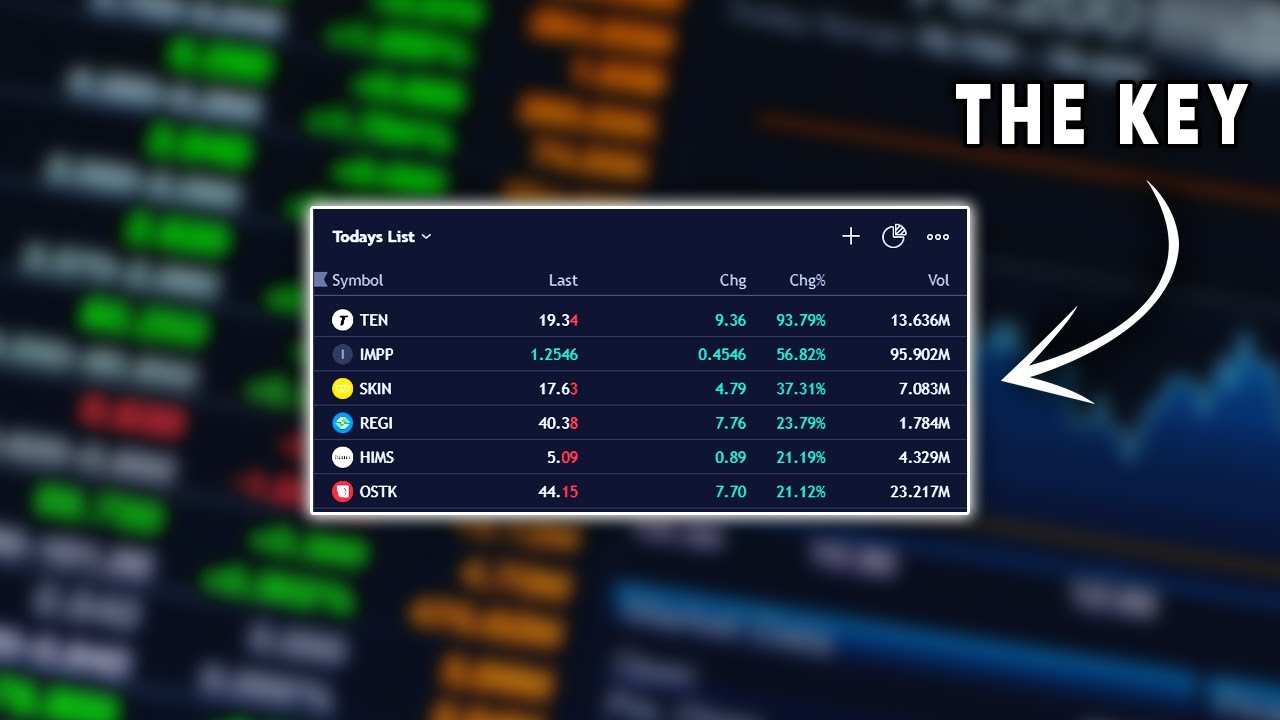
How To Find Stocks To Day Trade: It’s Not Just for Wall Street Wizards
1. Hook: Real-Life Pain + Clean Sarcastic Humour
Alright, let’s set the scene. You wake up one Monday morning, bedhead intact, coffee in hand, and feel an undeniable urge to take your financial future into your own hands. You think, "I could totally be the next stock market shark!" Fast forward two hours, and you’re lost in a rabbit hole of stock charts and financial jargon that sounds like a mix between an ancient dialect and a secret society handshake. You realize you’re more likely to find the holy grail than to understand “moving averages.” But don’t worry! With the right tools and less caffeine, you’ll be day trading in no time—hopefully with fewer headaches than your average Monday morning.
2. What It Actually Means
So, let’s break it down. Day trading is like going to a restaurant and deciding to eat your whole meal in one sitting—only your meal is made up of stocks, and you’ve got to gobble them up before they get cold, or, you know, start losing value. In simpler terms, day trading involves buying and selling stocks within the same day to take advantage of short-term price fluctuations. Think of it as being a financial barista, expertly brewing up profits and hoping your brew doesn’t taste burnt.
When you hear the term “day trading,” it usually conjures up images of high-stakes gamblers like they’re about to take the wheel in a Fast & Furious movie. But, fear not! You don’t need to wear a suit or have a secret superhero alter-ego to get started; just a willingness to learn a bit about the stock market and maybe avoid trading while your cat is on your keyboard.
3. Deep Breakdown (Serious + Valuable + Easy)
Causes
Understanding what causes stock prices to move is like figuring out why your friend suddenly became vegan—it’s usually a mix of various factors (including trends, earnings reports, and market news). So, let’s look at the fundamental causes of stock price changes.
How it Works
Day trading operates on technical analysis—not to be confused with getting a technical degree in rocket science. It means traders use charts, patterns, and indicators to make decisions. Imagine trying to predict the weather just by observing cloud patterns rather than checking the forecast—sometimes it works, and other times you end up soaked.
Why it Matters
Why should you, an innocent little reader, care about day trading? Well, besides the potential for profits, it’s also about the thrill. It can give you a rush quite similar to bungee jumping—without the risk of falling into an abyss, or worse, your landlord’s collection of “world’s best cat memes.”
What People Don’t Know
Here’s an eye-opener: many newcomers assume day trading is as simple as hitting “buy” and “sell” like they’re playing a game of whack-a-mole. The truth is, it’s more like playing chess while blindfolded—strategically complex and mentally exhausting.
Hidden Sides
Did you know there’s a significant amount of risk involved? Not every stock is a golden egg waiting to be discovered. Markets can be as unpredictable as your cousin’s Instagram rants. Hidden sides involve volatility and, yes, potential losses that might require a financial pep talk.
Industry Behaviour
The stock market has behaviors like urban pigeons—you think you can predict when they’ll land, but they just have their own agenda. Understanding market behavior is about knowing how stocks react to news, profit margins, and global events.
Real Consequences
Finally, there are real consequences to day trading—financially and psychologically. Imagine going on a rollercoaster that dips and dives. That’s your money being tossed around. Emotional stability is key. Day trading isn’t just numbers; it becomes a state of mind.
4. Comparison Section (Fun but Factual)
Let’s compare day trading to watching a romantic comedy—the stakes are low, the pacing is fast, and sometimes the characters make decisions that have you asking, “What are you doing?!” Like in day trading, sometimes you cheer for a stock, and when it tanks, you ask yourself why you bothered watching.
In contrast, long-term investing is like reading a six-part novel. It takes patience and pays off slowly—kind of like a simmering stew, while day trading is the microwave popcorn of investing: quick, flashy, and often over before you even sat down.
5. How This Affects Your Money / Life / Mind
Day trading can feel like riding a rollercoaster. One moment, you’re at the peak of financial euphoria; the next, you’re plummeting into the depths of despair. You may find yourself checking stock prices at dinner, during work (not recommended), or even in the middle of a Netflix binge. Your kids might start wondering if they were adopted by a financial enthusiast instead of a parent.
6. Practical Guidance (Actionable Steps)
So, ready to embark on this fast-paced adventure? Here are some actionable steps to get you started:
- Educate Yourself: Read books, follow financial news channels, and take online courses. Knowledge is power, my friend.
- Pick a Trading Platform: Quality trading platforms can be the bread-and-butter of your trading experience—think of them like your local grocery store, but without the 3-hour impulse buys.
- Understand Risk Management: Set a budget and stick to it. No one likes to be the last person hanging onto their last chip, right?
- Practice with Paper Trading: Like using a training wheels before hitting the road. Test strategies without the risk of financial consequences.
- Stay Updated: Follow trends and news that can cause stock price movements—think of this as tuning into the local gossip, but less dramatic.
7. TL;DR Summary (Funny + Clear)
- Day trading can feel like a fast-paced thrill ride—hold onto your wallets, folks!
- You’re not just buying and selling; it’s about understanding market emotions (and avoiding panic attacks).
- Risks exist, but that’s part of the excitement; just try not to throw your computer out the window.
- Start with research, use a good platform, and practice before diving in like a cannonball.
8. Final Thought (Signature Style)
So there you have it! Day trading might be the stock market’s version of speed dating—fast, intense, and sometimes regrettable—but with careful planning and a dash of humor, you could end up with a portfolio that leaves you smiling. Just remember, it’s all fun and games until someone mentions “moving averages.”
