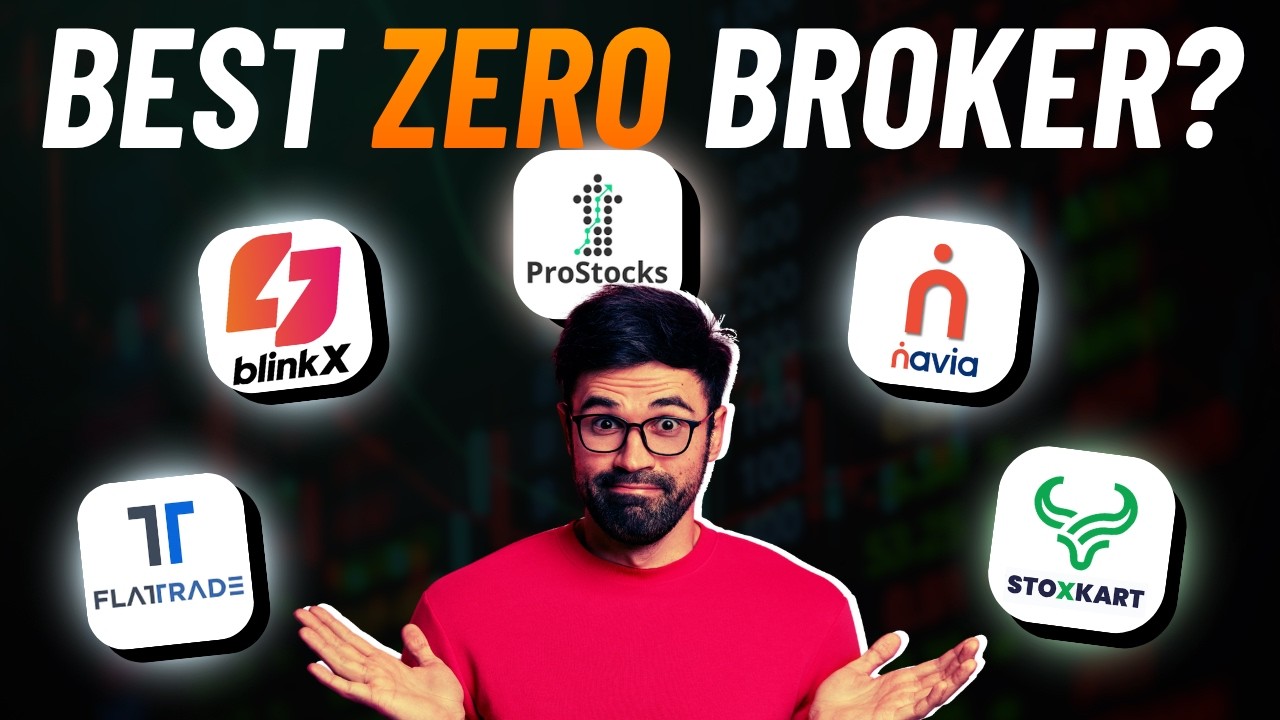
Best Zero Brokerage Demat Account in India? | BlinkX vs StoxKart vs FlatTrade vs Navia vs ProStocks
Hook: Real-Life Pain + Clean Sarcastic Humour
Ah, investing in the stock market: that thrilling roller coaster ride where your financial future hangs on the whims of spreadsheets and market sentiment—almost as stressful as planning a wedding! Just imagine: You’ve saved up a tidy sum and are finally ready to dip your toe into the sea of zero brokerage accounts. You think, “This will be fun!” while your bank account silently cries out, “Please, no more financial trauma!”
Well, fear not, brave soul. If you’re tired of paying way more in brokerage fees than you ever intended to spend on lifestyle choices like avocado toast and sparkling water, you’re in the right place. (Let’s be honest, if you can save some cash for that artisanal pizza, who wouldn’t want it?!) With many platforms claiming to be the best, figuring out the right Demat account is like trying to choose a favorite child—impossible without some serious deliberation!
What It Actually Means
Okay, let’s get down to brass tacks. A Demat Account is essentially a magical digital vault where your stocks, bonds, and other securities sit, safe and sound. Think of it as a high-tech treasure chest, but instead of pirate gold, it’s filled with the hope of financial prosperity—or at least a slightly shinier avocado toast lifestyle.
“Zero brokerage” simply means you won’t be charged for making trades; it’s like ordering a bottomless cup of coffee, where you keep pouring and pouring without worrying about that sneaky bill at the end. No hidden fees; just straightforward coffee—the kind I like best!
Deep Breakdown (Serious + Valuable + Easy)
Causes
Zero brokerage accounts emerged largely due to the rise of fintech companies that want to disrupt the old guard. Investors are far more tech-savvy than they used to be; they know they shouldn’t be subjected to wallet-destroying fees just because they want to buy a few shares of that promising tech startup.
How It Works
When you sign up for a zero brokerage Demat account, the platform makes its money in various ways like interest on the cash sitting idle, ancillary services, or even selling data (not in a creepy way, I promise). So, you’re still paying; you’re just not aware of it—like using a “free” app that’s packed full of ads!
Why It Matters
Choosing a zero brokerage account can make a massive difference in your investment returns. Think of it as buying a ticket to a game—do you want the cheap seats with a view? Or the fabulous ones where you can see every drop of sweat on the player’s forehead? (You better pick wisely; it could mean the difference between a thrilling win and a financial "meh.")
What People Don’t Know
Everyone seems to think zero brokerage accounts are easy to use. But let me tell you, “easy” can sometimes feel like balancing on a unicycle while juggling flaming torches! So it pays to do your research.
Hidden Sides
The term “zero brokerage” isn’t as clear-cut as it seems. For instance, trading or account maintenance fees may lurk in the shadows, waiting to trip you up like that unexpected hole in your favorite pair of socks!
Industry Behaviour
In a competitive landscape, companies are constantly trying to attract investors with flashy offers and incentives. But remember: if it sounds too good to be true, someone’s probably trying to sell you a bridge—watch for those alluring extra charges!
Real Consequences
The success or doom for your investments can hinge on the platform you choose. Making an uninformed decision could feel like arriving at a buffet and only finding kale salad left.
Comparison Section (Fun but Factual)
Let’s lay it all out. Here’s how our contenders stack up:
BlinkX vs StoxKart
- BlinkX: Like that friend who always knows the ins and outs of every party—offers robust customer support but lacks advanced trading features.
- StoxKart: Your charm school graduate, sweet-talking you into options trading, albeit with a few hidden fees making sneaky appearances.
Imagine a conversation between them:
BlinkX: “I’m amazing at customer support!”
StoxKart: “But I offer those sick trading tools! Just ignore my fine print!”
How This Affects Your Money / Life / Mind
Picture this: You wake up one day, coffee in one hand, phone in the other, clueless about your investment moves. Turns out, choosing a zero brokerage Demat account could either lead you to financial freedom or, let’s say, a lifestyle that requires a lot of ramen noodles.
You stroll down to the cafe, and suddenly the thought crosses your mind: “With those brokerage fees saved, I could be sipping on lattes instead of the store-brand instant coffee!” (Ah, the sweet, sweet nectar of success.)
Practical Guidance (Actionable Steps)
-
Do Your Research: Lookup credible reviews. Don’t trust Uncle Joe who once lost money in a penny stock, please!
-
Compare Features: Make a list. Seriously. You wouldn’t marry someone without knowing their quirks (like that tendency to hog the blankets).
-
Sign Up for a Test Run: Some platforms offer demo accounts. Play around to see if it feels intuitive before pouring your money into it.
-
Watch for Hidden Fees: Always read the terms and conditions like they’re a gripping thriller—because they can be!
- Start Small: Test the waters before diving into the deep end.
TL;DR Summary (Funny + Clear)
- Zero brokerage accounts: No fees while trading—yay!
- Compare options: Not all Demat accounts are the same, even if they promise they are.
- Research is key: Don’t let your money vanish faster than your new diet resolution!
- Don’t ignore fine print: Hidden fees can sneak up like a cat in the night.
Final Thought (Signature Style)
In the end, choosing the best zero brokerage Demat account in India is a little like dating—you want to find one that feels right without draining your wallet! Keep your finances safe, your coffee hot, and remember: an informed investor is a happy investor. Now go forth and conquer the financial markets like the warrior you are—just maybe avoid the kale salad!
