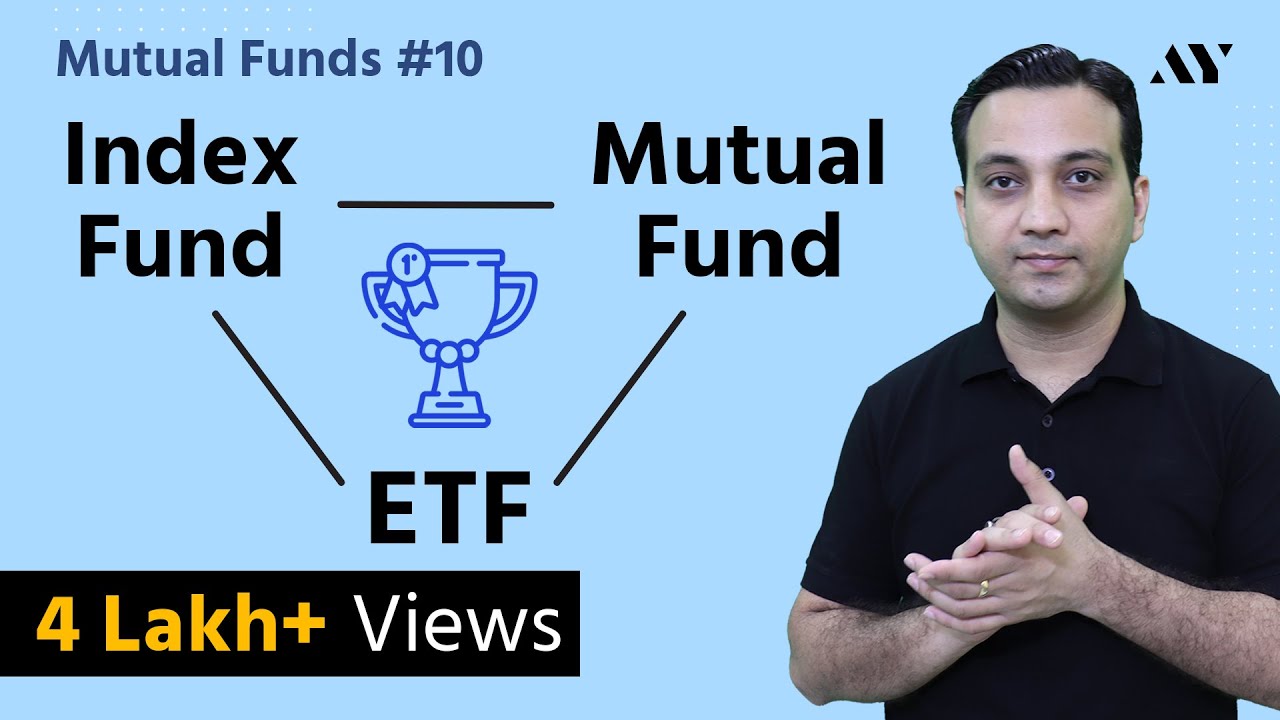
ETF vs Index Funds vs Mutual Funds: Which is Best?
Hook: Real-Life Pain + Clean Sarcastic Humour
Picture this: you finally decide to take the plunge into investing. You’ve been avoiding it, thinking it’s akin to being shoved into a shark tank full of aggressive accountants armed with highlighters and spreadsheets. But fear not! You summon the courage to ask the big question: “What’s better for my savings—ETFs, index funds, or mutual funds?” Suddenly, you’re greeted with an avalanche of jargon so dense it could suffocate a grizzly bear. Do you need a financial degree, a guidebook, and perhaps a support group? The answer is a resounding no. But isn’t it fun to feel like you’ve stumbled into an episode of “Survivor: Finance Edition”?
Let’s go over the basics and uncover which fund could potentially save your financial life…or at least help you buy that fancy avocado toast you’ve been dreaming of!
What It Actually Means
Let’s break this down like the fun-loving accountants we all wish we were.
-
ETF (Exchange-Traded Fund): Think of it as the cool kid at the investment party. It’s like a basket of various assets—stocks, bonds, maybe even some art—or, let’s be real, anything you can buy and sell easily. You can trade ETFs on an exchange just like stocks, giving you the flexibility to jump in and out quicker than a kid on a sugar rush.
-
Index Fund: Now, if ETFs are the cool kids, index funds are the reliable overachievers who always bring snacks. They aim to replicate the performance of a specific index, like the S&P 500. You buy into a collection of stocks without having to pick them individually. It’s like having a personal chef who only cooks dishes that won’t make you sick.
- Mutual Fund: Finally, we have mutual funds, the teachers’ pets of the investment world. These funds pool money from various investors to buy assets, managed by a professional. They charge a fee for their wisdom, just like that overpriced coffee shop that serves artisanal lattes, annotated with foam art.
See? Easy peasy, right? Now, no one’s leaving the party feeling like they just failed an exam.
Deep Breakdown (Serious + Valuable + Easy)
Causes
The surge in popularity of these investment vehicles is partly due to a growing interest in personal finance, combined with the desire for accessible ways to grow wealth without the burden of advanced math.
How It Works
- ETFs trade like stocks and are priced throughout the day.
- Index Funds are bought directly from the fund sponsor and are valued at the end of the trading day.
- Mutual Funds also trade only once a day after the market closes, managed by pros.
Why It Matters
The distinction matters more than you think! Each offers varying costs, tax implications, and levels of complexity, shaping how you grow your nest egg (or make the next disastrous attempt at adulting).
What People Don’t Know
Most people assume they need a ton of money to start investing. Spoiler alert: You can start with as little as $50 in certain ETFs and index funds.
Hidden Sides
ETFs can come with hidden brokerage commissions if your broker isn’t kind. Index funds may have higher fees than you think. And mutual funds? Let’s just say they’ve been known to harbor some sneaky sales loads.
Industry Behaviour
The investment world is always changing. Financial advisors love mutual funds because they can charge fees. ETFs are often the choice of the savvy millennial, hoping to dodge those fees like they dodge commitment.
Real Consequences
Understanding how these funds work can mean the difference between financial freedom and being stuck with a ramen noodle budget for life. So, your choice really counts!
Comparison Section (Fun but Factual)
| Feature | ETF | Index Fund | Mutual Fund |
|---|---|---|---|
| Trading Method | Like stocks, anytime | End of day only | End of day only |
| Management | Passively managed | Passively managed | Actively managed |
| Fees | Often lower, sometimes sneaky | Usually low but watch closely | Typically higher |
| Minimum Investment | Can be as low as $50 | Usually $1,000 or more | Often $1,000+ |
| Flexibility | High (buy/sell anytime) | Low (end-of-day orders) | Low (same as index funds) |
So, if ETFs are the party-goers, index funds are the chill couch surfers, and mutual funds are the overzealous planners with a color-coded itinerary.
How This Affects Your Money / Life / Mind
Imagine sitting down, confidently holding your investment portfolio. You finally understand those mystical terms—ETF, index fund, mutual fund—and are ready to take charge of your financial destiny. But alas! One bad decision could plunge you into a financial void, forcing you to rely on your friend’s couch for the foreseeable future.
Say you choose the wrong fund and suddenly you’re watching your savings dwindle while “that guy” who bought the hot new ETF is celebrating his newfound wealth. Your life choices should not parallel the fumblings of a sitcom character. Instead, knowing your options can boost your confidence and lead to a series of smart financial decisions that would make even your most conservative relative nod in approval.
Practical Guidance (Actionable Steps)
- Educate Yourself: Invest time in understanding these investment vehicles before jumping in.
- Evaluate Expenses: Choose low-fee options; these savings can add up!
- Start Small: Even if it’s just $50, beginning is key.
- Research: Don’t trust shiny marketing materials; do your homework.
- Maintain Diversification: Don’t put all your eggs in one basket…unless it’s a very fancy basket that comes with a guarantee.
TL;DR Summary (Funny + Clear)
- ETFs are the party animals: flexible and low-cost.
- Index Funds are the sensible snacks: consistent but sometimes pricey.
- Mutual Funds are the well-meaning neurotics: they charge fees but manage funds for you.
- Start with what you can afford; “just a little” can grow into “a lot” with time!
- Fees might hide better than your lost sock, but they’re important—watch that!
Final Thought
So, whether you’re ready to plunge into the investment world or just dipping your toes in like a cautious cat, remember: knowledge is your best asset. And while comparing ETFs, index funds, and mutual funds may seem daunting, think of it as picking the right dance partner for financial success—because with the right choice, you’ll be doing the cha-cha all the way to the bank! Keep it cool, keep it smart, and most importantly, keep it fun!
