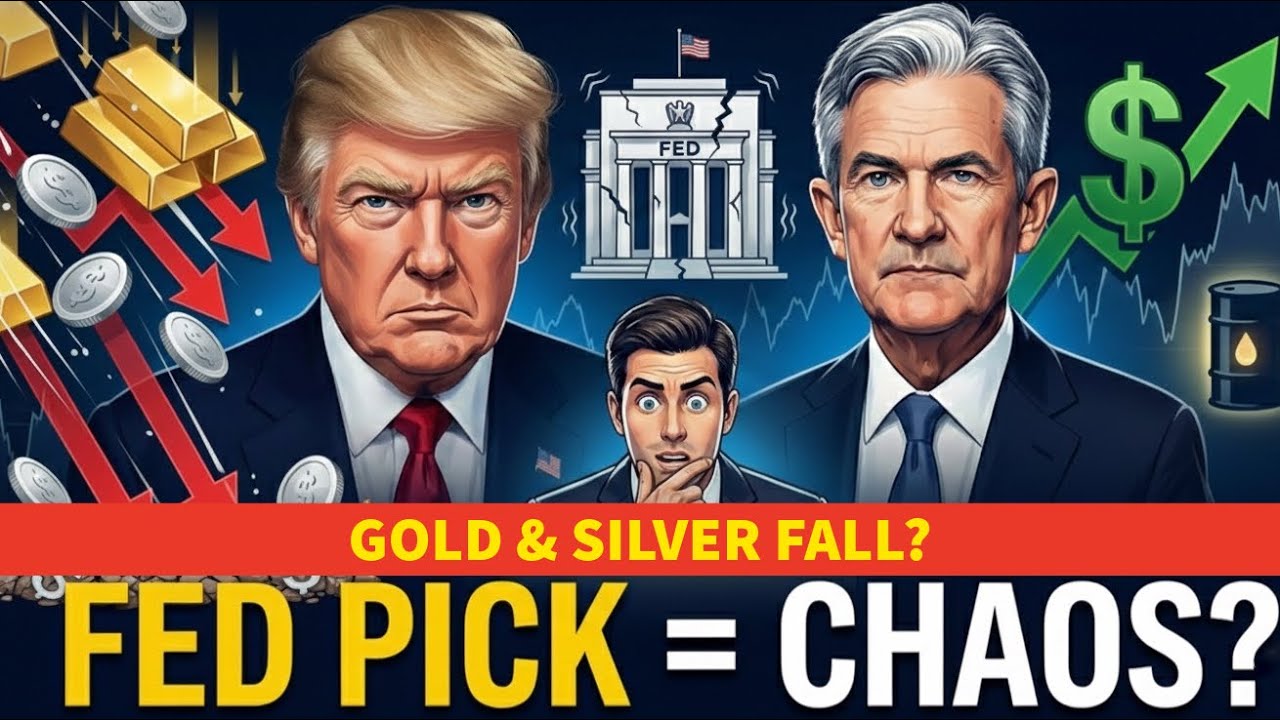
Gold & Silver Fall? 🚨 What Caused the Fall 😱 The Real Reason Explained 😨
1. Hook: Real-Life Pain + Clean Sarcastic Humor
Picture this: you just bought your latest shiny gold necklace, thinking you’re now the proud owner of investment-grade fashion. You strut down the street, radiating both opulence and wisdom—until you hear the news. “Gold and silver have fell?” you gasp, almost choking on your double latte. Oh joy! It’s like discovering your new puppy peed on your freshly polished shoes.
But don’t worry, as your once-blinding bling dims, at least you can comfort yourself with the fact that your growing collection of ‘extremely not rare’ collector’s spoons has retained its value. Real talk: investments can feel like trying to nail jelly to a wall. The world of gold and silver has just reminded you of that fact, with an extra sprinkle of panic!
2. What It Actually Means
Alright, let’s break this down like a bad dance move at a wedding. When we say gold and silver have "fallen," we mean their values have dropped. Think of it like those times you scrolled through your social media feed only to find your favorite thrift store dress has dropped from "must-have" to "oh dear, why would I wear that?"
In simpler terms, gold and silver are commodities, much like eggs and avocados (only shinier). Prices can fluctuate based on various factors—supply and demand, economic stability, and right now, let’s face it, a global game of “Who wore it better?” with inflation and recession.
3. Deep Breakdown (Serious + Valuable + Easy)
Causes
-
Supply Chain Shenanigans: If mining companies suddenly decide they need to hibernate like bears, that could lead to a surge in supply. More supply = typically lower prices.
- Economic Conditions: Economic instability can lead to gold and silver being regarded as safe havens. But if the economy is stable, people might be more interested in the next hottest tech stock.
How It Works
Imagine gold and silver prices are on a seesaw. On one side, you have investment demand; on the other, you have market trends. If the seesaw tilts too far to one side, the other side plummets.
Why It Matters
When precious metals fall, it can have a ripple effect on investments worldwide. Think of it as the butterfly effect—one flap of a butterfly’s wings can change the entire weather pattern… or, you know, send your economic stability into a spiral.
What People Don’t Know
Many people believe that gold and silver prices are solely influenced by market speculation. However, they’re also influenced by geopolitical tensions, currency strength, and even technological advancements in mining—so keep your eye on those mining gadgets!
Hidden Sides
Here’s a fun tidbit: the gold industry isn’t a singular entity. You’ve got jewelers, investors, and central banks all with their unique motivations. They’re like a quirky family at a reunion—everyone has their agenda and code of conduct.
Industry Behavior
The gold and silver markets tend to sway with the whispers of larger financial institutions. If the stock market sneezes, you can bet commodities are catching a cold. It’s crucial to keep your ear to the ground and listen carefully to the industry’s chatter.
Real Consequences
A fall in gold and silver can impact everything from business investments to individual retirement plans. So essentially, it’s the difference between being able to buy that fancy dinner or making do with ramen for the next two weeks. Who says money doesn’t influence life decisions?
4. Comparison Section (Fun but Factual)
Let’s play a fun comparison game: Gold vs. A Used Car.
-
Gold: A timeless investment that shines bright and often withstands economic downturns.
- Used Car: Great for transportation, but let’s be real; it depreciates faster than you can say “oil change.”
In this funny little comparison, while gold might attract a few scratches, it’s like a fine wine—it can get better with age!
5. How This Affects Your Money / Life / Mind
Imagine waking up one day to find your golden dreams have turned into silver linings—albeit slightly tarnished. It’s like you’ve just realized your favorite lip gloss has suddenly vanished from your bag. Your plans for affording that yacht you’ve been dreaming of might start veering toward reality TV levels of “what are these choices I’m making?”
Let’s face it: gold and silver fluctuations can be disheartening, but they also teach us resilience. After all, life’s glittery treasures need a bit of tarnish to remind us that nothing lasts forever, including our initial optimism when a flashy piece of jewelry first glimmers under the store lights.
6. Practical Guidance (Actionable Steps)
-
Stay Informed: Follow reliable financial news outlets to keep an eye on gold and silver trends—think of it as the equivalent of having a cheat sheet for your next pop quiz.
-
Diversify Investments: Don’t put all your shiny eggs in one basket; consider other types of investments to create a balanced portfolio.
-
Consult Experts: Talk to a financial advisor who knows the ins and outs of precious metals—someone who doesn’t just scroll TikTok for financial advice.
- Be Patient: Like waiting for a pot of gold at the end of the rainbow, prices can fluctuate. Don’t rush decisions based on fleeting trends.
7. TL;DR Summary (Funny + Clear)
- Gold and silver are acting like that friend who keeps changing their mind.
- Market trends, supply, and a sprinkle of economic chaos cause fluctuation.
- Tides of prices affect everything from your dinner plans to investment strategies.
- Gold ages like fine wine; used cars? Not so much.
8. Final Thought (Signature Style)
At the end of the day, fluctuations in gold and silver are like life’s absurd little hiccups: sometimes you shine brilliantly, and other times you’re just waiting for the tarnish to wear off. Embrace the chaos, stay informed, and remember—your worth isn’t tied up in shiny metals, it’s in the glowing laughter shared over a cup of coffee. Cheers to that!
