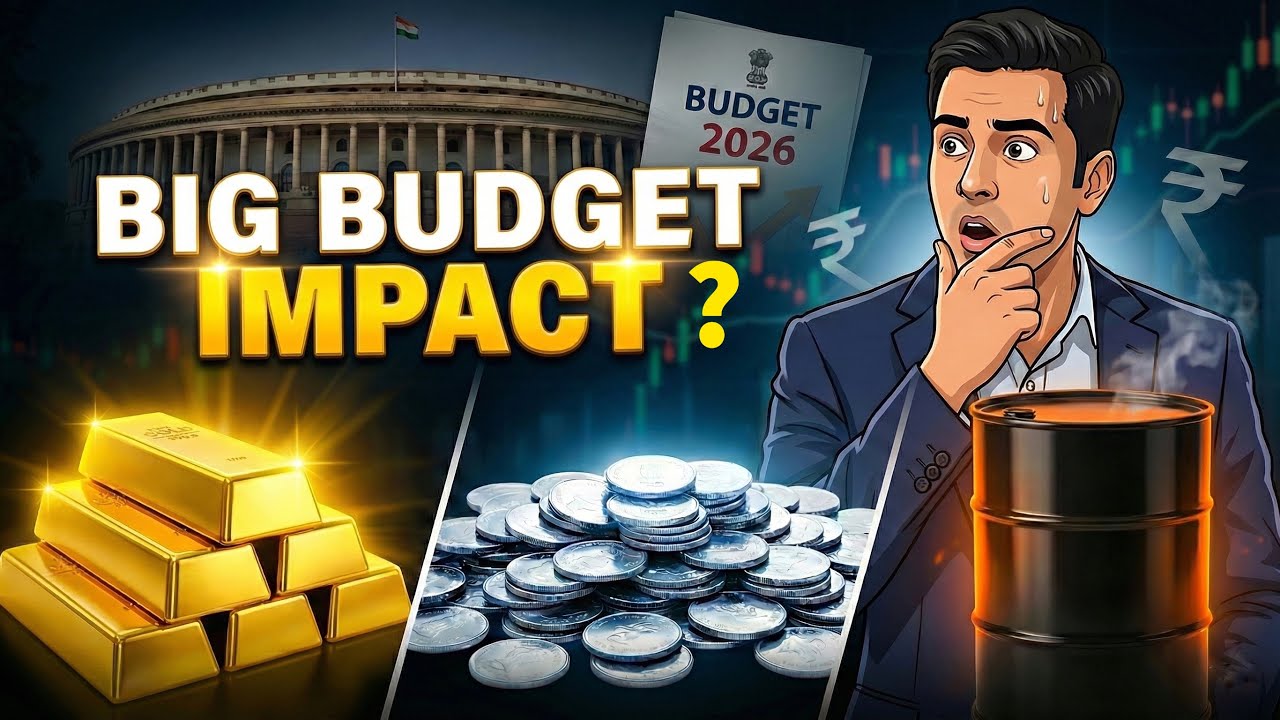
Gold, Silver & Oil: Budget 2026 Hidden Impact Explained 🚨
Hook: Real-Life Pain + Clean Sarcastic Humour
Have you ever been stuck in a supermarket line, staring morosely at your grocery cart like it just betrayed you? One second you’re floating through life on a cloud of carefree spending, and the next, you’re dodging the existential crisis that is cereal prices. It’s like the universe decided this week is “let’s-prank-the-people-in-a-budget-crunch” week, and who knew economics could feel like stepping on a Lego?
As we gear up for Budget 2026, the big players—Gold, Silver, and Oil—are shaping up for a showdown worthy of a reality TV series finale. “Will Gold stay shiny? Will Silver lose its luster? And what about Oil—will it just keep making us cry at the pump?” Spoiler alert: It’s going to be messy, humorous, and, yes, slightly traumatic.
What It Actually Means
So, what are we talking about when we say “Budget 2026”? Imagine your personal budget: you have money coming in, money going out, and a cat constantly demanding fancy treats. Now, add in a government-level accounting sheet where those “treats” are things like infrastructure, healthcare, and who-can’t-live-without Wi-Fi.
Gold and silver aren’t just for those pirate treasure chests; they’re crucial ‘safe-haven’ assets that investors flock to when the economic seas get choppy. Oil? Let’s just say it powers more than your Daniel Craig-as-James-Bond fantasies.
Think of it this way: Gold is your glamorous yet confusing aunt at family gatherings—everyone loves her until the loans come due. Silver is the cousin who nervously brings a ukulele to parties, while oil is that one friend who insists on calling an Uber even for a 10-minute walk.
Deep Breakdown (Serious + Valuable + Easy)
Causes
The Budget 2026 doesn’t emerge from thin air. It’s brewed from a pot of factors like inflation, geopolitical tensions (thanks, world stage), and the climate crisis. Meanwhile, central banks are doing their lumberjack impressions—chopping interest rates and cutting loose money supply to boost economies.
How It Works
Gold and silver tend to shine, literally and metaphorically, during economic downturns. People flock to them when panic sets in because, let’s be real, there’s comfort in holding tiny bits of metal instead of staring at a fluctuating stock chart. Conversely, oil prices trend upwards when demand surges or when supply takes a vacation—or one of those “I-need-to-realign-my-energy” trips thanks to a natural disaster or international ouchies.
Why It Matters
You might wonder: “Why should I care about a bunch of commodities? I’m just trying to figure out what to make for dinner.” Well, the prices of gold, silver, and oil can influence your daily life, from the cost of filling up your car to the price tag on those fancy artisanal avocados.
What People Don’t Know
While many view these commodities in isolation, they’re interconnected in a web of financial whims and fancies. For example, a spike in oil prices can ripple through sectors like manufacturing and affect everything from your gas bill to the cost of that artisanal avocado toast.
Hidden Sides
Let’s not forget the hidden costs tied to these commodities. Think about all those vehicles that require oil, and how every time gas prices go up, so does your morning coffee and that questionable fast food lunch you swear was a ‘one-time indulgence’.
Industry Behaviour
The behavior of these industries resembles a soap opera—always dramatic and full of surprises. Producers and investors are constantly jockeying, making bold predictions, and few can really predict where the market is headed.
Real Consequences
Investing in gold and silver may feel like piling your cash into a piggy bank with tiny gemstones. Still, the fluctuations can have serious real-world consequences—financial stress can lead to bad decisions, and your next dinner may just be instant ramen instead of a three-course marvel.
Comparison Section (Fun but Factual)
Gold vs. Silver: A Glitzy Face-Off
• Gold – The diva. Always shiny, elegant, and everyone wants to cuddle with her assets—especially during a crisis.
• Silver – The cool uncle who plays the ukulele at family gatherings. You appreciate him, but you occasionally think, “Is it okay that I’m more interested in gold?”
How does this compare to your local supermarket dilemma? Think of gold as that overpriced organic cucumber—everyone buys it, but silver is the trusty, mid-priced lettuce that you ultimately ignore because it’s “too basic.”
How This Affects Your Money / Life / Mind
Imagine this: you’re a superhuman who just received a surprise raise, only to find that gas prices skyrocketed the next day. Every trip now feels like you’re wheeling a treasure chest behind you. This isn’t just a budget issue; it’s an emotional rollercoaster that makes you feel like you’ve been handed a ticket to a theme park—the one that’s perpetually closed whenever you try to go.
The reality is that these commodities impact your everyday decisions—from driving less to scrutinizing your grocery list like it’s a classified document.
Practical Guidance (Actionable Steps)
- Stay Informed – Read about market trends, but promise not to throw your bank account at every shiny thing that moves.
- Invest Wisely – If you decide to invest, consider diversifying. Think about it like not putting all your eggs in one basket… unless you want an omelet.
- Budget for Fluctuations – Set aside a little wiggle room in your budget for those unpredictable price jumps – think stealth mode.
- Emergency Fund – Build this up like you would save for a vacation—only instead of a seaside cabana, you’re aiming for peace of mind.
- Know Your Suppliers – Whether it’s your coffee or your gas station, don’t hesitate to shop around for better deals.
TL;DR Summary (Funny + Clear)
- Budget 2026 is shaping up like an awkward family reunion.
- Gold is the drama queen, silver’s just chillin’, and oil’s… well, kind of a hot mess.
- Prices can swing wildly, impacting everything from your gas tank to your dinner plans.
- Always be ready for unexpected expenses, like finding an ex in the crowd at a wedding.
Final Thought
As we navigate the quirky waters of economics, remember that understanding these commodities doesn’t require a PhD—just a bit of curiosity and perhaps a wicked sense of humor. Life may be unpredictable, but with a little preparation (and perhaps a backup plan involving instant ramen), we’ll find our way. So grab your sparkly savings, avoid the drama, and keep your emotions light—the economic rollercoaster will keep turning. 🎢
