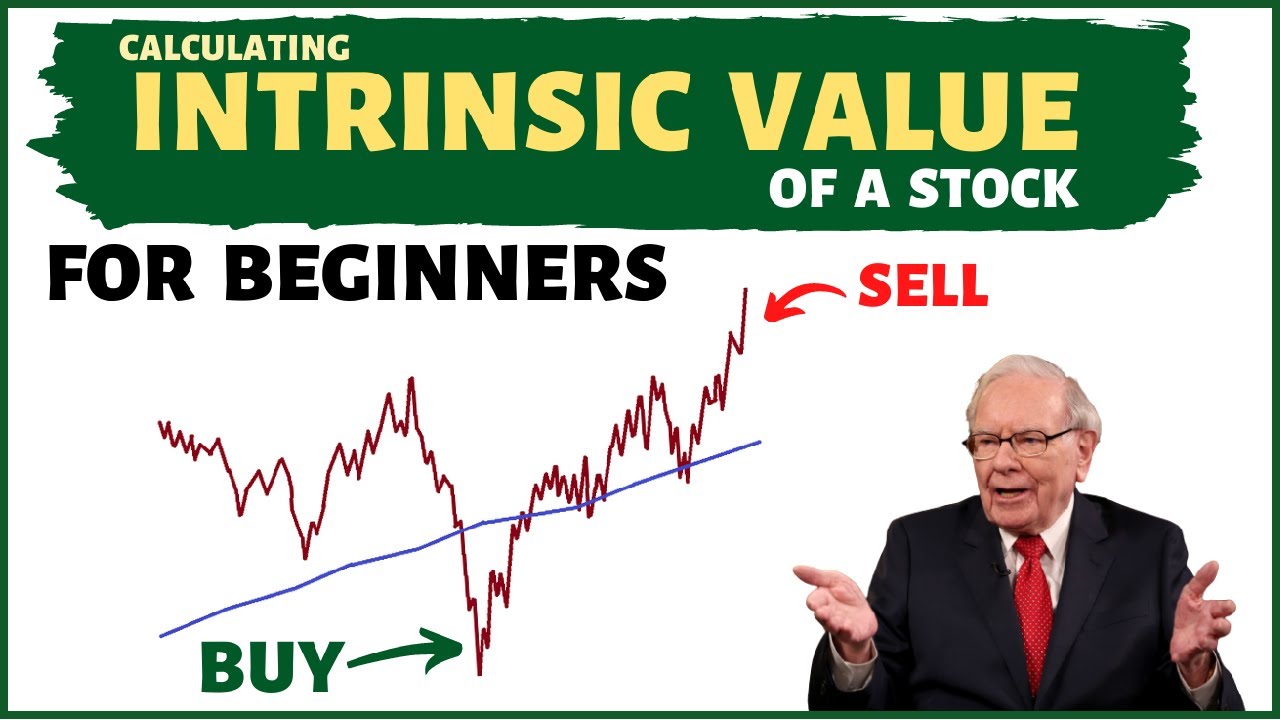
How To CALCULATE INTRINSIC VALUE of a STOCK?
Hook: Real-Life Pain + Clean Sarcastic Humour
Welcome to the exciting world of stock trading, where the only thing riskier than your 15-minute morning scramble can be deciding on what stock to buy. One wrong move, and poof! Your portfolio looks like a crab that attempted to go straight but ended up sideways—definitely not the sleek lifestyle you envisioned. If you’ve spent your evenings scrolling through stock market forums, hearing terms like “intrinsic value” and thinking, “Isn’t that a fancy term for ‘a stock I’ll probably regret buying?’” you’re not alone.
But don’t worry; we’re diving deep without the high-tech jargon, like a pool party where everyone’s wearing floaties. Plus, we might just make it through without having to calculate anything by hand—what is this, the 1800s?
What It Actually Means
So, what in the name of Warren Buffet is intrinsic value? Think of it as “the weather forecast for a stock: what it should be worth regardless of today’s chaos.” It’s the “true value,” like finding out your favorite sweater is on sale—it’s that gap between what you think it’s worth and what the market decides to throw at it on an average day (which, let’s be real, is often more chaotic than a toddler on a sugar rush).
In simpler terms, it’s the assessment of a company’s worth based on fundamentals, not just stock prices jumping up and down like they’re auditioning for a pole vaulting event. The goal? To find out if a stock is undervalued, overvalued, or just right—like Goldilocks but with numbers instead of bears.
Deep Breakdown (Serious + Valuable + Easy)
Causes
So what makes intrinsic value tick? A cocktail of elements including earnings, dividends, and growth potential. Think of it as all the ingredients in a lasagna—mix ‘em right, and you get something delicious. Mess it up, and you’re stuck trying to feed it to that one relative who insists they’re on a "pasta-free" diet.
How it Works
The classic method to calculate intrinsic value is using the Discounted Cash Flow (DCF) model. Intrigued? Don’t worry, it’s not a strange math problem waiting to haunt your dreams. Simply put, you estimate the cash a company will generate in the future, then discount it back to the present. Think of it as trying to guess how much your future self will appreciate that gym membership you keep considering—minus the actual working out part.
Why It Matters
Understanding intrinsic value allows you to dive into stocks that are diamonds in the rough, rather than overpriced stones that look sparkly but won’t hold up in a real-world scenario. This knowledge can prevent regret, like avoiding that “crazy ex” memoir you might regret reading.
What People Don’t Know
Many investors only look at market price, but remember: stocks can sometimes behave like they just saw a ghost—bumpier than a rollercoaster designed by a toddler. Diving into intrinsic value helps you understand a company on a fundamental level, beyond the psychological highs of trading.
Hidden Sides
Keep in mind that intrinsic value is not an exact science. External factors like market conditions, economic changes, or even a global pandemic (looking at you, 2020) can shake things up. The world is uncertain, just like understanding why your cat suddenly decides your laptop is its new favorite bed.
Industry Behaviour
Different industries have varied averages for intrinsic values based on their risk levels and growth potentials. A tech stock might soar while a utility company chugs along—sort of like the tortoise and the hare, but with significantly more spreadsheets.
Real Consequences
Failing to consider intrinsic value can land you in hot water. Imagine buying a stock because your friend swears by it, only to find yourself asking, “What have I done?” on a daily basis while your money slowly sinks like the Titanic.
Comparison Section (Fun but Factual)
Let’s compare two stocks, shall we? Imagine Stock A is like your overpriced coffee habit—full of energy but not exactly a necessity. On the other hand, Stock B is like your loyal old dog, dependable and always ready to bring you happiness. If you’re buying Stock A just because everyone seems to love that morning caffeine, remember: sometimes the loyal dog offers far better returns in the long run. Choose wisely—puppies and intrinsic values don’t lie.
How This Affects Your Money / Life / Mind
Imagine pouring your hard-earned cash into the stock market only to wake up one morning realizing your investment is akin to a bad Tinder date: fabulous at first glance, but the reality isn’t quite matching up. Understanding intrinsic value can change that narrative; it keeps your investment choices grounded. You make money moves based on educated decisions rather than impulsive emotions.
Practical Guidance (Actionable Steps)
-
Do Your Homework: Read about the company and its financial reports. Think of it as prep for a first date—know what you’re getting into.
-
Calculate Future Cash Flows: Look at historical data and project future earnings. Think of it like trying to predict how much your Yule Log would weigh after holiday indulging (quite a bit!).
-
Determine a Discount Rate: This is how much you expect to earn on other investments. It’s like knowing your friend’s average level of enthusiasm; the higher it is, the less you’ll tolerate drama!
-
Make Your Calculation: Plug your figures into the DCF formula. No calculators necessary—just make sure you’re awake and fed!
- Stay Updated: Keep an eye on market trends and news. Think of it as scrolling through your social media—knowing what’s happening can save you from future “oh no” moments.
TL;DR Summary (Funny + Clear)
- Intrinsic value is like a stock’s weather forecast—how much it should realistically be worth.
- Calculating it isn’t rocket science; just numbers combined in the right way.
- Don’t lean solely on market prices; they can be trickier than a cat during bath time.
- Consider industry and economic factors; they can make or break your stock like a poorly-timed gag.
- A sound investment can keep you from waking up in a sweat wondering where your money went.
Final Thought
So there you have it, aspiring stock guru! Understanding the intrinsic value of a stock could save your wallet—and sanity—while trading. Life is too short to regret investments that look good on paper but go south faster than a bird in a hurricane. Dive deep, stay educated, and who knows? You might just turn your financial dreams into reality. Now off you go—time to make those numbers dance!
