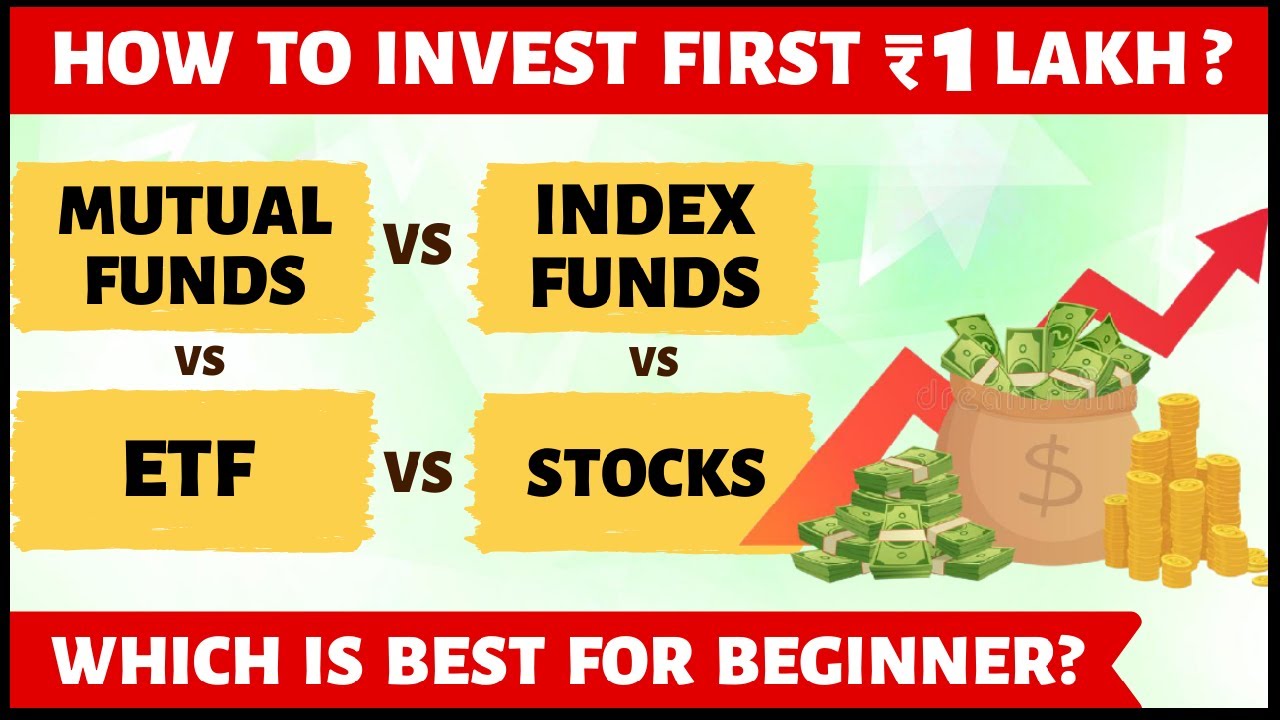
MUTUAL FUND vs INDEX FUND vs ETF vs STOCKS | How to Invest 1st Lakh?
Hook: Real-Life Pain + Clean Sarcastic Humor
Ah, the eternal quest for financial wisdom. Picture this: you’re staring at your bank account, contemplating whether that first lakh you’ve saved is going to open the door to a life of luxury or if it’ll just buy you a larger pizza every month. It’s enough to make anyone’s hair turn gray faster than that 300-page finance book your well-meaning uncle gifted you last Christmas.
Investing can feel a bit like a high-stakes game of Monopoly—everyone seems to know the best strategy, yet somehow, you always end up in jail (figuratively speaking, of course). So, let’s unpack these so-called "great investment options": Mutual Funds, Index Funds, ETFs, and Stocks. Because investing shouldn’t feel like brain surgery—unless, of course, you forget to bring the right toolkit.
What It Actually Means
Alright, let’s get down to brass tacks. Here’s a not-so-dry recap of what we’re working with:
-
Mutual Funds: Imagine a group of your friends pooling money to hire a chef. The chef makes meals, and everyone shares the delicious outcomes (or, in some cases, “culinary experiments”). Similarly, mutual funds pool money from many investors to buy diverse portfolios of stocks or bonds, managed by professionals who likely have impressive degrees and a knack for making money.
-
Index Funds: Think of these as the diet version of mutual funds—fewer ingredients and a focus on just the essentials. They track a specific market index, like the S&P 500, and aim to achieve similar performance. It’s a little like opting for a salad instead of fries: less flavorful, but your waistline will thank you later.
-
ETFs (Exchange-Traded Funds): Imagine the love child of a mutual fund and a stock. ETFs are traded like stocks on an exchange, meaning you can buy and sell them throughout the day. They generally have lower fees and can offer instant diversification. Picture your favorite playlist full of various artists—less commitment to one genre, but a lot of great tunes.
- Stocks: This one’s the classic rock star of the investing world. Investing in stocks means buying a share of a company and hoping it flourishes, which is a lot like planting a seed and praying it doesn’t get eaten by squirrels.
Deep Breakdown (Serious + Valuable + Easy)
Let’s dig deeper into these investment vehicles, shall we? Here’s the slow dance with all the juicy details:
Causes
- Why People Invest: People often invest to grow their money over time—because living off ramen noodles during retirement is not a dream anyone holds dearly.
How It Works
- Mutual funds and ETFs pool investor money and invest in a broad assortment of securities. Index funds aim to replicate market returns, while stocks are your direct tickets to owning a piece of a company.
Why It Matters
- Understanding the distinction can save you money and heartache. Picture losing money because you thought a spindle-whirly adjective was a solid investment strategy. That would hurt—emotionally and financially.
What People Don’t Know
- Many believe mutual funds are the safest bet because they’re managed by experts. But, just like your cousin Larry thinks he’s a culinary expert after one cooking class, not all fund managers deliver Michelin-star performances.
Hidden Sides
- Fees and taxes can significantly negate your returns. The “hidden” costs can feel like that mysterious fee at the restaurant that nobody can explain—where your dessert was just slightly more expensive than you expected.
Industry Behavior
- There’s a cycle of trends. Think of it as fashion: one year everyone loves skinny jeans, and the next, it’s all about mom jeans. Understanding market psychology can help you make better decisions.
Real Consequences
- The wrong investment choice may lead to losses, creating that sinking feeling that only comes with realizing you accidentally clicked "buy" on a company you’ve never even heard of.
Comparison Section (Fun but Factual)
Let’s put these heavyweights in a ring and see how they stack up, shall we?
-
Mutual Fund vs. Index Fund: Imagine the mutual fund as your overachieving friend who does all the homework for the group project (and often takes all the credit). An index fund, meanwhile, is the chill friend who shows up, drinks a soda, and still gets a passing grade because “C’s get degrees.”
- ETF vs. Stocks: If stocks are the youthfully rebellious teenager trying to make their own way, then ETFs are the slightly more responsible adult—still a little wild but with a solid plan in place.
How This Affects Your Money / Life / Mind
Investing isn’t merely about number crunching; it impacts your real life. Picture this: you hit that glorious retirement age, but instead of sipping piña coladas on a beach, you’re at a part-time job flipping burgers because your investments didn’t pan out. That’s the modern-day nightmare.
On the flip side, making wise investment choices could lead you to enjoy the retirement you’ve always dreamed of—one where you can actually afford to take that trip to Bali instead of just Pinteresting it.
Practical Guidance (Actionable Steps)
Ready to get started? Here are simple, actionable steps:
-
Educate Yourself: Read trustworthy articles or watch videos to understand these investment types.
-
Set Clear Goals: Do you want long-term growth, steady income, or a mix? Knowing this can shape your choice.
-
Start Small: Begin with your first lakh, and don’t rush to diversify into things you don’t understand.
-
Consider Fees: Pay attention to management and transaction fees—every rupee counts!
- Stay Calm: Markets can be volatile. Patience is key. Remember: the tortoise won that race.
TL;DR Summary (Funny + Clear)
- Mutual Funds: Group projects managed by experts—may or may not lead to brilliance.
- Index Funds: The easy-going buddy—just tracks results and keeps it simple.
- ETFs: Stocks with a makeover—flirting with coolness while still being sensible.
- Stocks: High-risk, high-reward solo endeavors. Invest wisely or prepare for ramen.
Final Thought (Signature Style)
So, there you have it—a colorful tapestry of investment options wrapped up in a tight bow of humor and real-life relevance. Remember: financial freedom isn’t just a fantasy; it’s in your hands—along with your first lakh and that sudden craving for extra cheese. Good luck, and may your investment journey be filled with laughs, lessons, and just the right amount of financial freedom!
