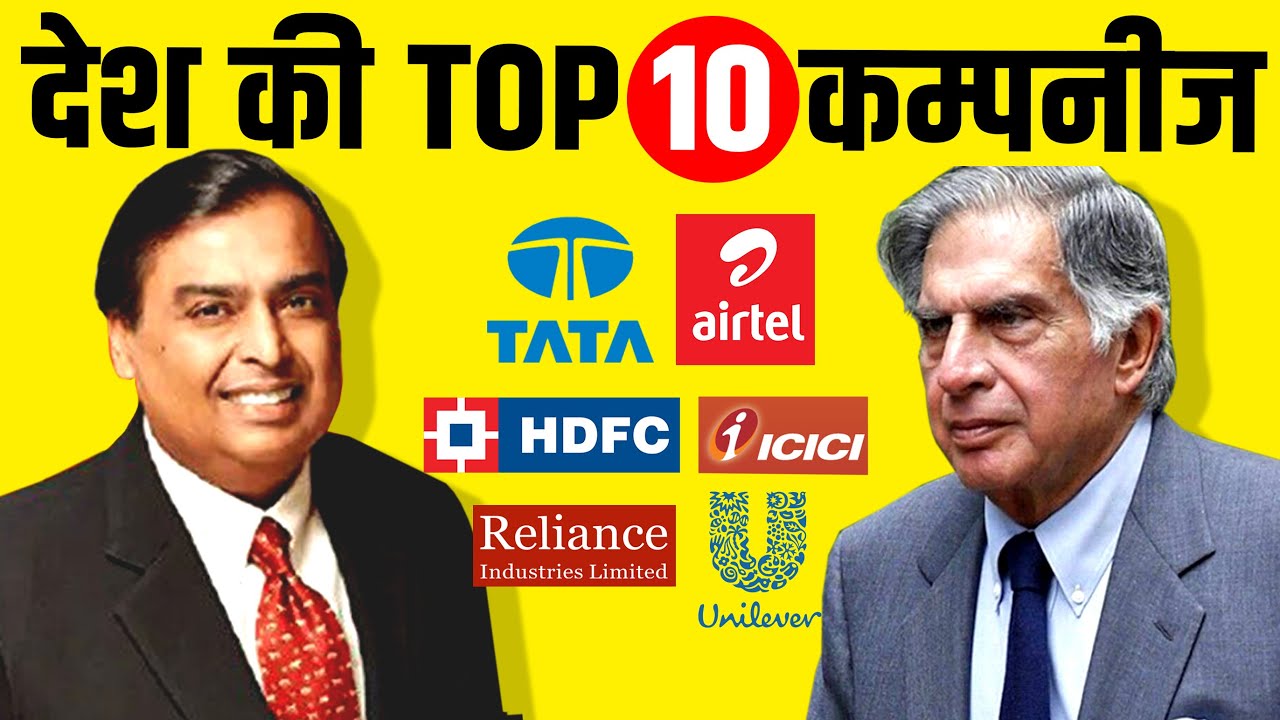
Top 10 Indian Companies By Market Cap: Reliance, Tata, Airtel, HDFC… and Other Financial Giants
1. Hook: Real-Life Pain + Clean Sarcastic Humour
Ever find yourself staring at your bank balance, wondering if your financial woes will ever end? You’re not alone. It’s that moment when you realize you can’t even afford to donate to your own “give a penny” jar. Wouldn’t it be nice if a miracle could happen, and you suddenly found yourself in the financial elite? Don’t worry, I’m not here to sell you a magic bean or a "get rich quick" scheme. Instead, let’s dive into the world of the top Indian companies by market capitalization—the real heroes who might inspire your next financial choice (or at least generate conversation next time you’re awkwardly mingling).
2. What It Actually Means
So, what’s all this market cap hullabaloo? Think of market capitalization (or market cap, if you’re feeling cheeky) as the ultimate popularity contest for companies. It’s calculated by multiplying the total number of shares by the price per share. Essentially, it tells you how much the market thinks a company is worth. Imagine walking into a party, and instead of just your good looks or killer dance moves, everyone judges you based on the value of your snack collection. That’s market cap for companies.
If you’re overwhelmed, relax. In simpler terms, market cap gives you a snapshot of a company’s size and can indicate its investment stability. So, if you’ve ever wondered which Indian companies are the heavyweights of the financial ring, you’re in the right place!
3. Deep Breakdown (Serious + Valuable + Easy)
Causes
Market cap can be influenced by a variety of things—from sales performance to new product launches and even those viral TikTok moments that send stocks soaring (yes, that can happen). If romance novels had business models, market cap would be the alluring protagonist that draws investors in.
How It Works
The dynamics are straightforward. If more people want to own a piece of a company, its stock price goes up, raising its market cap. It’s a bit like trying to grab the last slice of pizza at a party; the more your friends want it, the more you realize it’s valuable.
Why It Matters
Understanding market cap helps you make informed investment decisions. Think of it as your “survival guide” to navigating the murky waters of finance. Want to invest? Check the top companies—those are generally the safest bets.
What People Don’t Know
Many people think that a high market cap guarantees success, but that’s not always the case. Some companies might be riding high on market cap alone, while their fundamentals are as solid as a wet paper towel.
Hidden Sides
Some companies are effectively “under the radar” despite having significant market caps, often because they operate in niche sectors or because they have a loyal but smaller customer base. Don’t underestimate the quiet achievers!
Industry Behaviour
Stocks fluctuate based on various factors like economic conditions, technological advancements, and even geopolitical events. It’s like a never-ending reality show—full of drama and plot twists.
Real Consequences
A company’s market cap can affect not just stock prices but also consumer trust, investment strategies, and your lunch conversation about finances. If you’re in the know, you can turn a “small talk” moment into a powerful discussion about financial stability.
4. Comparison Section (Fun but Factual)
Let’s compare two market cap giants: Reliance and Tata.
-
Reliance: Think of Reliance as that incredibly popular kid in school—everyone wants to know them. Their diverse portfolio includes telecommunications, retail, and energy. You show up to the party hoping for pizza, and there’s Reliance serving every topping imaginable.
- Tata: In contrast, Tata is like the charming grandparent who might not be the life of the party but has a regal presence. They’re influential in multiple sectors like steel, automobiles, and IT. They might be more “classic,” but they’re the type you would trust your life with.
While both are powerhouses, their styles vary. Reliance is flashy and everywhere; Tata plays it cool yet impactful. Who said finance can’t be fun?
5. How This Affects Your Money / Life / Mind
Now, you might wonder, “What does all this mean for my wallet and sanity?” Imagine if you invested in one of these top companies; your coffee runs on Mondays could become a bit more glamorous! Financial stability isn’t just a dream—it’s an attainable reality, and knowing these companies and how they work could change your money game.
For instance, let’s say you invested a small amount in Reliance. With that market cap growth, you could one day treat yourself to a fancy dinner instead of your usual microwave meal. Your taste buds and stomach will thank you—this is how knowledge breeds opportunity!
6. Practical Guidance (Actionable Steps)
Ready to embrace your financially savvy self? Here are some steps you can start taking:
- Research: Stay updated on industry trends. Websites like Moneycontrol and Bloomberg can keep you informed.
- Invest: Consider small investments in lower-risk stocks—maybe start with one of the top companies mentioned.
- Diversify: Don’t put all your eggs in one basket; it’s great to invest in multiple sectors.
- Ask Questions: Talk to experts or financial advisors for personalized guidance.
- Stay Informed: Knowledge is power—keep reading and learning about finance.
7. TL;DR Summary (Funny + Clear)
- Market cap is that popularity contest for companies.
- Reliance, Tata, Airtel, and HDFC are the cool kids in school.
- Bigger doesn’t always mean better—pay attention to fundamentals!
- Understanding market cap can make you a better investor (and a more interesting person at parties).
- Research, diversify, and don’t be that person with regional pizza toppings in a global buffet.
8. Final Thought (Signature Style)
So, there you have it! Whether you’re a financial whiz or someone who still thinks Bitcoin is some kind of sci-fi element, understanding market cap will steer you toward better decisions. Now go forth, make informed investments, and maybe one day your bank account will reflect those choices. Who knows? You might even find yourself replacing that penny jar with something much more lucrative—like a fancy fishbowl full of reality! Cheers to that!
