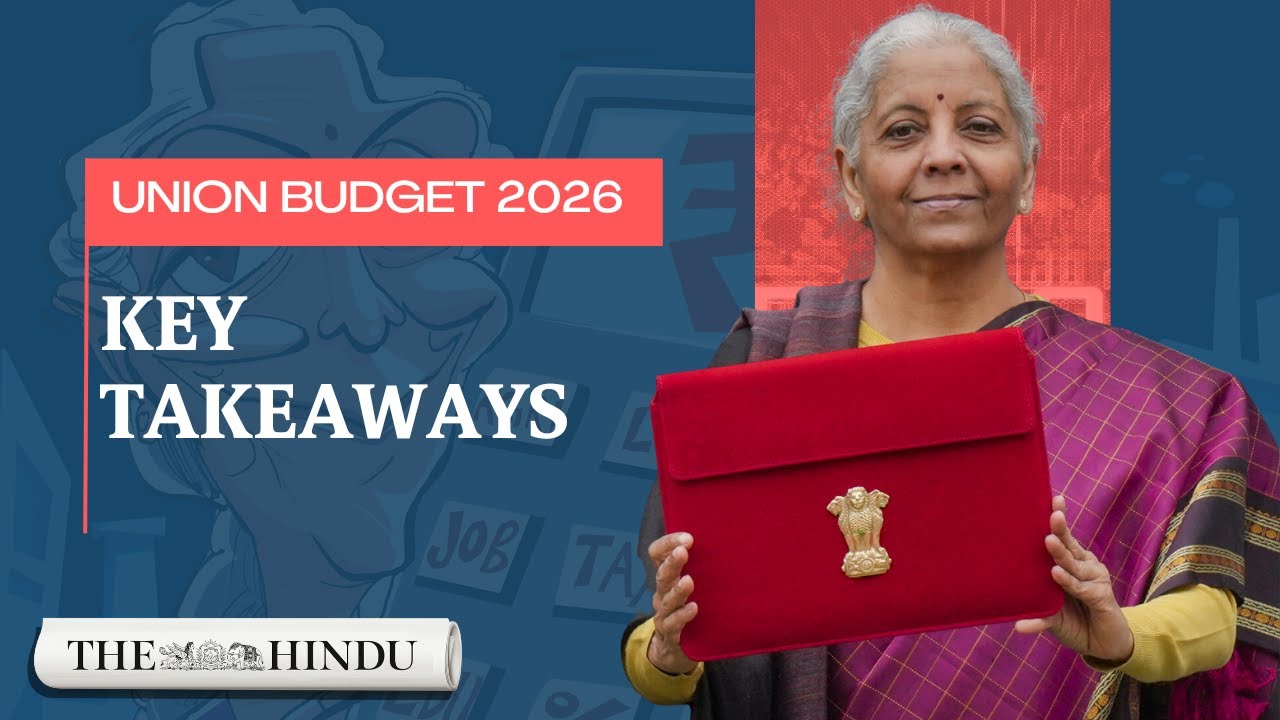
Union Budget 2026: Key Takeaways
Hook: Real-Life Pain + Clean Sarcastic Humor
Ah, the Union Budget. It’s that time of year when everyone pretends to understand complex economic jargon while we silently wonder if a “fiscal deficit” is just a fancy term for our bank accounts post-salary day. You know, that magic moment when the government unveils its master plan, and we’re left applauding like we just watched a mime perform a six-hour show. Bravo! Give that mime a wand because your taxes just turned into thin air!
Sure, there are moments of excitement, akin to unwrapping a gift only to find a pair of socks. Not even the fun kind with cartoon characters on them—just plain grey socks. But fear not! We’re about to navigate this rollercoaster of numbers and economic forecasts together, and I promise it’ll be more thrilling than watching paint dry (or at least slightly less painful).
What It Actually Means
So, what’s the Union Budget all about? In simple terms, this is the government’s annual financial plan—think of it as your household budget but with more zeros and significantly higher stakes. Imagine if your family sat around a table discussing how to afford groceries, rent, and maybe a fancy vacation… but also had to consider things like national defense and education. Spoiler alert: it’s complicated.
Essentially, the government outlines its spending priorities for the upcoming year, all while assuring us that everything is under control—much like a cat assuming you can’t see it hiding behind that tiny flimsy curtain.
Deep Breakdown (Serious + Valuable + Easy)
Causes
The Union Budget sets the tone for the fiscal year based on various causes—economic growth, inflation rates, and global financial trends. Think of these as the ingredients in a complex recipe that the government has to get just right; skip the sugar, and no one will want a piece.
How It Works
At its core, the budget is about balancing income (think taxes) and expenditure (spending on social programs, infrastructure, etc.). Each year, there are debates, discussions, and more spreadsheets than any human should have to endure—all to ensure we’re not just buying fancy cooking jars for the cupboard while neglecting to pay the actual bills.
Why It Matters
The Union Budget impacts everything, from fuel prices to your favorite chai latte’s cost. It’s like watching the butterfly effect in motion—one small revision can lead to soaring prices or unexpected tax cuts.
What People Don’t Know
Many people think the budget is just a numbers game, but in reality, it shapes social policies that affect your everyday life. It decides whether your kids get new textbooks or if you’ll be discussing loss in the context of grocery shopping at your local store.
Hidden Sides
There are often behind-the-scenes deals and negotiations. You might not read about them in the big headlines, but they can reveal a lot about where priorities lie. It’s like that secret ingredient in grandma’s famous recipe—sometimes, it makes all the difference.
Industry Behavior
When the budget is announced, industries react akin to your neighbor’s dog spotting a squirrel. Some may celebrate unexpected tax benefits, while others lament increased tariffs. Understanding this can give you insight into the volatility that might affect your job or investments.
Real Consequences
Government spending can dramatically impact cuts in education, healthcare, or infrastructure—areas that directly affect quality of life. Yes, this is serious business. Don’t worry; we’ll keep the drama for Netflix.
Comparison Section (Fun but Factual)
Let’s compare the Union Budget’s impact to two situations:
1. A Family Road Trip vs. A Government Road Trip
In a family, you often calculate how much gas money you’ll need and whether that roadside diner is worth the calories. The government? They analyze whether the roads need more potholes (or at least reduce the severity of those holes) while simultaneously deciding if the budget is more like a Honda Civic or a high-end sports car. Long story short, one involves snacks; the other involves extensive planning and lots of signs.
2. Cooking a Meal vs. Creating the Budget
Cooking a simple dinner is pretty straightforward, just like drafting an easy budget. But when you’re preparing a feast for fifty, suddenly you need to account for dietary restrictions, the likelihood of Aunt Judy burning her hand trying to fry that turkey, and where the heck you’ll manage to fit everyone in your house. The difference? The family meal (hopefully) ends on a happy note, while budget day leaves half the country pondering their life choices.
How This Affects Your Money / Life / Mind
Let’s get real— the Union Budget affects your wallet more directly than that scam email promising you millions from a distant relative. Increased taxes can mean tighter budgets for your weekend plans, while unexpected subsidies can allow for that long-awaited dining experience. Think of it as your economic thrill ride. One moment you’re up, feeling like you can afford that new bike, and the next you’re down, contemplating ramen for every meal.
Just think of your own financial situation. When the government makes decisions that affect industries like healthcare or energy, it can ripple out and change how we save, spend, or invest. It’s as personal as that pair of socks we mentioned earlier when you find out your grocery store has inflated prices thanks to budget decisions you weren’t even aware of.
Practical Guidance (Actionable Steps)
-
Stay Informed: Keep an eye out for budget summaries and analyses. You might as well know what’s happening in the financial realm while pretending to understand what they mean.
-
Budget Yourself: Create a simple monthly budget based on your income and potential future expenses. This can help you buffer the eventual price hikes you might encounter.
-
Invest Smartly: Explore investment opportunities that align with the emerging sectors projected to grow after the budget announcement. Be the early bird that gets the… financial worm?
- Engage with Community: Discuss how budget changes can impact your local area. Staying connected can enhance community spirit while figuring out who gets to take the last samosa.
TL;DR Summary (Funny + Clear)
- Union Budget = adulting with numbers – Lots of big words, few actual answers, but it’s crucial.
- Economic rollercoaster – Strap in; your finances can go up or down.
- Affected by more than you think – Grocery prices, education costs—yep, it all connects!
- Vote for your community impact – Engage with local discussions about the budget. Your opinion might not start a riot, but it’ll help in the long run.
Final Thought (Signature Style)
So there you have it! The Union Budget—where numbers meet rhetoric to create a delightful concoction of government speak and future planning. Let’s embrace each new tax slab with a knowing nod and a slight chuckle, and remember: it’s not just about numbers. It’s about the real people behind them—like you, me, and your neighbor who insists on gardening far too close to the property line. Here’s to navigating this fiscal maze together, one sarcastic chuckle at a time!
