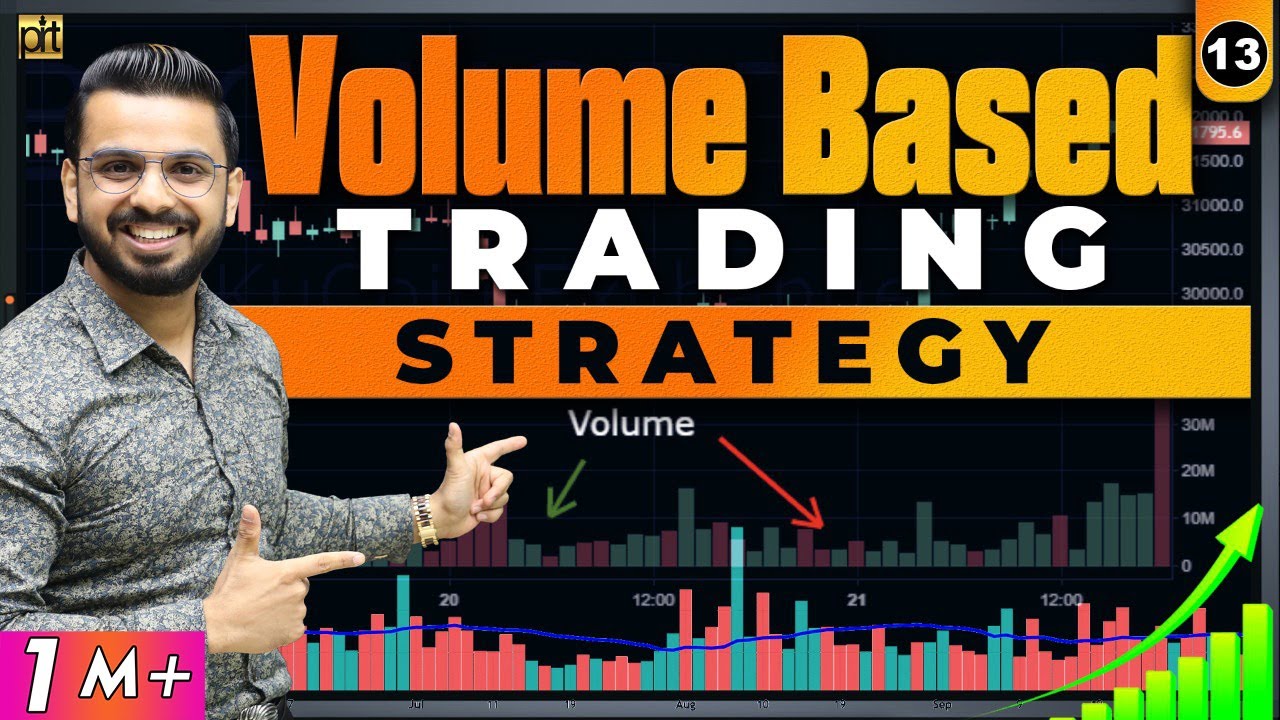
Volume-Based Trading Strategy: Finding Your Groove in the Stock Market Intraday Trading
Hook: Real-Life Pain + Clean Sarcastic Humour
Remember that time you thought investing in the stock market was just like betting on horses? You throw your money down, and it either wins big or leaves you broke, crying into your morning coffee while still wearing your pajamas. Yeah, me too. Spoiler alert: It’s not that simple. If only we could just shout “Go, Stocks, Go!” and wave a magic wand. Instead, we can roll up our sleeves and delve into volume-based trading strategy—a concept that sounds far more complex than finding parking during a holiday sale. With a sprinkle of sarcasm and a dollop of genuine curiosity, let’s dive in and rescue those pennies from the deep abyss of the market!
What It Actually Means
So, what on Earth is this volume-based trading strategy? Imagine if a quiet turtle suddenly decided to throw a wild dance party. The party reflects the volume: the number of shares traded in a given period. Higher volumes mean the party is popping, while low volumes suggest…well, that everyone went home after one limp appetizer. In simple terms, volume tells you how actively a stock is being bought and sold. It’s like the heartbeat of the market—if it’s fluttering, your stocks might be getting a little frisky.
When you understand trading volume, it’s easier to make sense of market trends. Think of it as a navigation signal in stormy seas—it helps you steer clear of the choppy waters.
Deep Breakdown (Serious + Valuable + Easy)
Causes
The volume fluctuates based on news, earnings reports, and sometimes, gossip-worthy exchanges on Twitter. Events like product launches or earnings surprises can send shares soaring or plummeting, prompting traders to react.
How It Works
When lots of people trade a stock, it usually indicates interest or upcoming market direction. So, if you see a big spike in volume, it’s like finding a secret map to buried treasure—or, in stock trader terms, a signal to potentially ride the wave!
Why It Matters
Engaging with volume can greatly steer your trading decisions. Large volumes generally add liquidity and decrease volatility, which are positive attributes if you prefer surfing over drowning. Conversely, low volumes can result in unstable pricing.
What People Don’t Know
Not all volume spikes are created equal! Sometimes, they’re bear traps—not the fun kind you escape from after a camping trip, but traps that can ensnare unsuspecting traders. Always investigate the “why” behind spikes.
Hidden Sides
Volume isn’t just about big numbers; it also entails analyzing patterns. Often, consistent volume in a specific direction can indicate strong trends others might be too busy to notice.
Industry Behaviour
Traders and institutions watch volume like hawks! It provides insights into market behavior—like seeing what everyone else is eating at the buffet before you make your own choice.
Real Consequences
Ignoring volume can lead to poor decisions. It’s the difference between making money or metaphorically tripping over your shoelaces at the Singapore Grand Prix.
Comparison Section (Fun but Factual)
Think of volume-based trading like attending an open mic night at a coffee shop versus an arena concert.
-
Open Mic Night (Low Volume): Everyone is timidly glancing at each other, nerves abound, and you might wonder if anyone will sing. Trading here is uncertain; profits are as elusive as a good coffee blend in a sleepy small town.
- Arena Concert (High Volume): People scream, energy is palpable, and the mood is electric—everyone’s ready to have a good time. Trading at high volume feels like catching an exhilarating wave that takes you to victory instead of drowning in uncertainty.
How This Affects Your Money / Life / Mind
Let’s hop into a quick scenario. Imagine it’s a Saturday night. You’ve done your research and decided to invest in a stock that’s currently shooting up in volume. You pop open a bottle of whatever fizzy adult beverage floats your boat, and you watch the numbers roll in. If high volume leads to shares rising, it’s a delightful evening. On the flip side, if you invested while everyone muttered “meh,” you find yourself staring at your screen, wishing you hadn’t ordered those fancy non-refundable pizzas.
The thrill of a high-volume trading day can make you feel like a rock star, while a day with minimal volume leaves you feeling like that one friend always singing off-key at karaoke.
Practical Guidance (Actionable Steps)
-
Monitor Volume: Track volume with reliable stock charts that offer volume indicators. If you see sudden spikes, take notes!
-
Combine with News: Always check the news for reasons behind volume shifts—if there’s an announcement, it could heavily influence that spike.
-
Set Alerts: Most trading platforms allow you to set volume alerts. Get pinged whenever volumes hit your predefined levels!
-
Practice Patience: Just because a stock has high volume doesn’t mean it’s a golden ticket. Check for trends before racing in.
- Panic Less: Volume gives you clues about market trends. Use it to make informed decisions, rather than letting emotional rollercoasters guide you.
TL;DR Summary (Funny + Clear)
- Volume is like your stock market DJ—without it, the party’s a snooze fest.
- High volumes = potential trends; low volumes = someone forgot the chips.
- Always investigate the “why” of volume changes; that’s your treasure map.
- Use stock charts and set volume alerts to keep your trading game strong.
- Remember: stock investing isn’t a sprint; it’s more of a casual jog with unexpected snacks.
Final Thought (Signature Style)
So, there you have it: a journey through volume-based trading like no other! As you dip your toes into the world of intraday trading, may your stocks behave like supportive friends rather than fickle roommates. Remember, every trader has scars from poor choices—wear yours with pride, keep your humor in check, and let volume be your guiding light as you scream into the abyss of money management. Happy trading, rock star! 🎤✨
