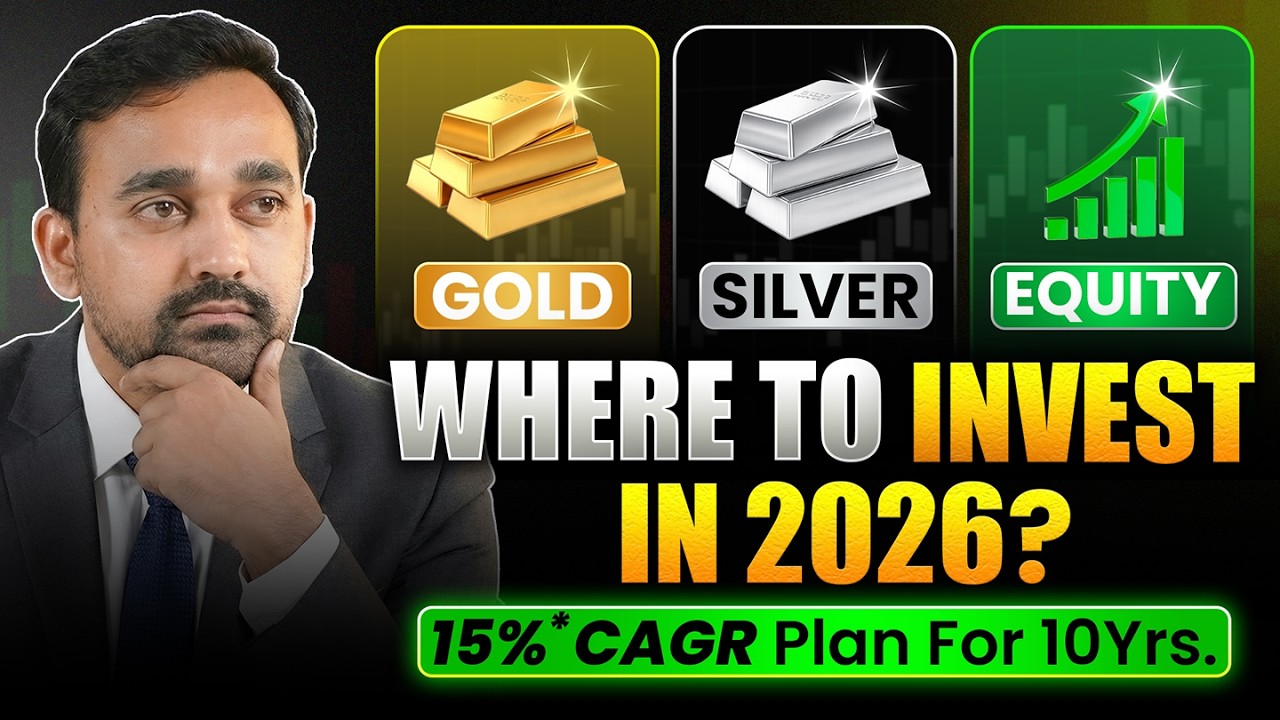
Where to Invest in 2026? | Equity, Gold or Debt | Multi Asset Fund Strategy for 15% CAGR
Hook: Real-Life Pain + Clean Sarcastic Humour
Ah, the sweet sound of your bank account whispering, “Do you really need dinner this week?” Investing for 2026 can feel like a high-stakes game of Monopoly, where your dumb friend keeps landing on Boardwalk while you’re just trying to figure out how to cover your rent. You know the feeling: one minute you’re riding high on the stocks of the latest tech craze, and the next—surprise!—your portfolio’s done a nosedive. "Hey, why not throw some of it into gold? Or maybe a multi-asset fund, while we’re at it? It’s not like financial decisions are hard or anything!"
Well, grab a snack and some comfy pants; we’re about to break it all down with the kind of clarity you need—and a sprinkle of humor to make it slightly less terrifying.
What It Actually Means
Alright, so let’s cut through the corporate jargon. Investing in 2026 boils down to three main categories: equity (stocks), gold (precious metal, not the one you find at the end of dubious treasure maps), and debt instruments (the grown-up term for bonds). Think of them like a cocktail party where one is wildly engaging, another is comforting and classic, and the last one is that quiet dude at the corner who keeps mumbling about his coupon collection.
-
Equity is essentially owning a piece of the company pie. When these companies succeed, so do you—if you can convince your heart not to stop every time the stock ticker blinks red.
-
Gold? Golden, shiny, and always in style (just like your grandma’s jewelry collection). It’s the safe haven when the world gets a bit too shaky.
- Debt might sound boring, but it’s low-risk. It’s like lending money to your friend who actually pays you back, unlike the friend who owes you $20 from that one questionable night out.
Deep Breakdown (Serious + Valuable + Easy)
Causes
- Market Volatility: Economic ups and downs can toss your investments around like a salad. You need a balanced approach.
- Inflation: It’s sneaky; just when you think your dollar is worth a dollar, it decides it’s more like 90 cents.
How it Works
- Equities rise and fall based on company performance.
- Gold tends to shine in uncertain times, proving that it may just be the sensible adult at this party.
- Debt instruments pay you back interest for being a nice person (or investor). It’s like collecting tips for being friendly.
Why It Matters
Making informed choices about where to park your money can be the difference between a cozy retirement and eating instant noodles in your 90s. So yeah, it matters.
What People Don’t Know
Investing isn’t solely about getting rich quick; it’s about building wealth over time. Slow and steady wins the race—unless you’re dealing with a particularly competitive tortoise.
Hidden Sides
- Equities require active management unless you love sweating bullets watching the stock market.
- Gold is largely influenced by geopolitical stability. So, if your nation is in chaos, gold prices will go up, and that necklace does more than just look good.
- Debt instruments can be illiquid, meaning your money isn’t as accessible as you might want it to be. Like trying to get your friend to pay you back on time—can be a waiting game.
Industry Behaviour
Financial markets typically fluctuate based on public sentiment, economic indicators, and sometimes irrational fears (I’m looking at you, stock market with your sudden drops).
Real Consequences
If you choose poorly, the reality is often:
- Loss of capital
- Emotional burnout
- Feeling like a financial failure—let’s avoid that party!
Comparison Section (Fun but Factual)
Imagine you’re at a buffet.
-
Equity is the spicy taco bar—exciting and full of flavor, but one surprise ingredient could ruin your night (or finances).
-
Gold is the mashed potatoes—comfort food that everyone loves, but not everyone appreciates. People may roll their eyes, but deep down, you know it’s solid.
- Debt instruments are that boring salad bar. Nobody goes in with high expectations, but after a few events, you realize it’s sometimes the only thing that doesn’t give you a stomach ache.
Both equity and gold can give you the ‘wow’ factor, but if you’re smart, you’re filling that plate with all three.
How This Affects Your Money / Life / Mind
So, what does all of this really mean for your life? Imagine: You’ve just hit turbulence in an aircraft and, naturally, you look at your investment portfolio. Your heart races, your palms sweat. Making the right decisions can impact vacation plans, home ownership, and even that sweet promise of retirement in a beach hammock.
Investing with a strategy means ensuring that your financial plane stays steady, turbulence-free, and ready for takeoff (hopefully to somewhere warm).
Practical Guidance (Actionable Steps)
-
Diversify: Don’t put all your eggs in one basket. Eggs are delicious, but you might end up with a broken omelet.
-
Educate Yourself: Read books, follow financial news, or listen to a podcast while pretending to do chores.
-
Start Small: Nobody jumps into a marathon without training. Invest in small amounts until you’re ready to tackle a bigger challenge.
-
Consider Multi-Asset Funds: They allow your investments to play together nicely, potentially aligning your returns toward that sweet 15% CAGR.
- Consult a Financial Advisor: Because let’s face it; sometimes you need a personal trainer for your finances.
TL;DR Summary (Funny + Clear)
- Investing in 2026: choose equity, gold, or debt—like a buffet, but with financial consequences!
- Equity is the fun risky option; gold is your reliable friend, and debt is… well, the salad.
- Diversifying is key—don’t gamble your future on one investment choice.
- Start with small amounts and educate yourself without losing your mind in the process.
Final Thought (Signature Style)
So, as we march bravely toward 2026, may your investments be fruitful, your stocks forever rise, and your gold jewelry always be fashionable. Remember, the road to investment success isn’t paved with walkways of gold; it’s more like a mixed bag of experiences, learning curves, and maybe a caffeine addiction from all those late-night financial deep dives. Cheers to your future, with a side of sarcasm!
